
Quick Verdict
Day 3 Was Different
Sleep improved. Stress dropped. Focus sharpened. The brain needs 72 hours to start recalibrating.
Day 2 Was Hell
The dopamine crash is real. You will want to quit. Push through.
The Short Version
It's 3 AM. I have to be up in four hours. My thumb has been scrolling for six hours. My brain is SCREAMING at me to stop. And I physically cannot put the phone down.
If you have ADHD, you know this feeling. So I did something drastic: I rewound my life to 1990. No smartphone. No internet. No social media. For 72 hours.
The result: Day 1 was novelty. Day 2 was torture. Day 3 was... weirdly peaceful. And the data backs it up.
Why 1990?
In 1990, the average person encountered maybe a few hundred pieces of information per day. Newspaper. TV news. Radio. Conversations.
In 2025? We're drowning in 74 gigabytes of data per day. That's equivalent to watching 16 movies. Every. Single. Day.
Our brains haven't evolved for this. We're running 1990 hardware on 2025 software, and it's crashing constantly.
- Attention span: Dropped from 2.5 minutes (2004) to 47 seconds today
- Task switching cost: 23 minutes 15 seconds to fully regain focus
- Phone-free schools: 15% increase in math scores, 20% in reading—just from removing phones
What 1990 Actually Meant
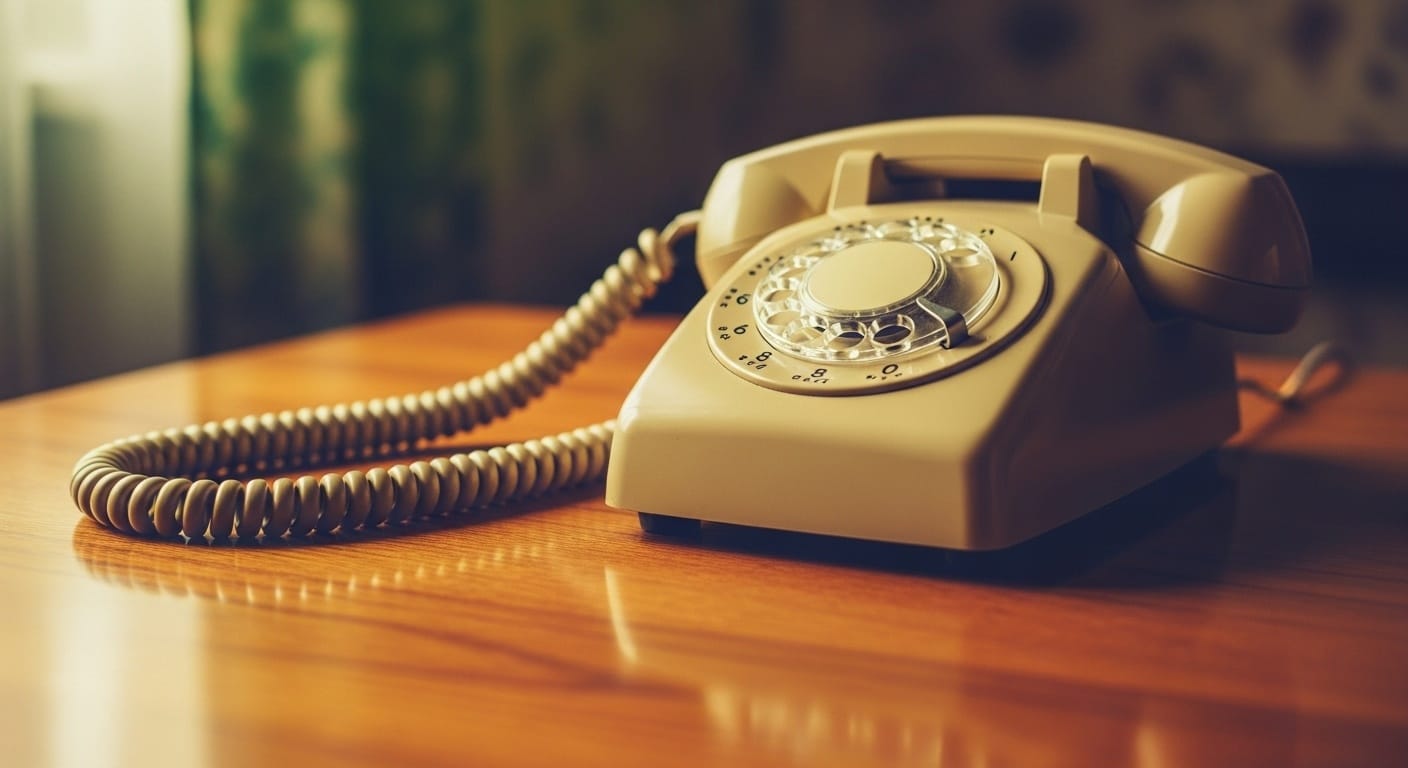
What I could use:
- Landline phone with curly cord
- Basic radio
- TV with antenna channels only
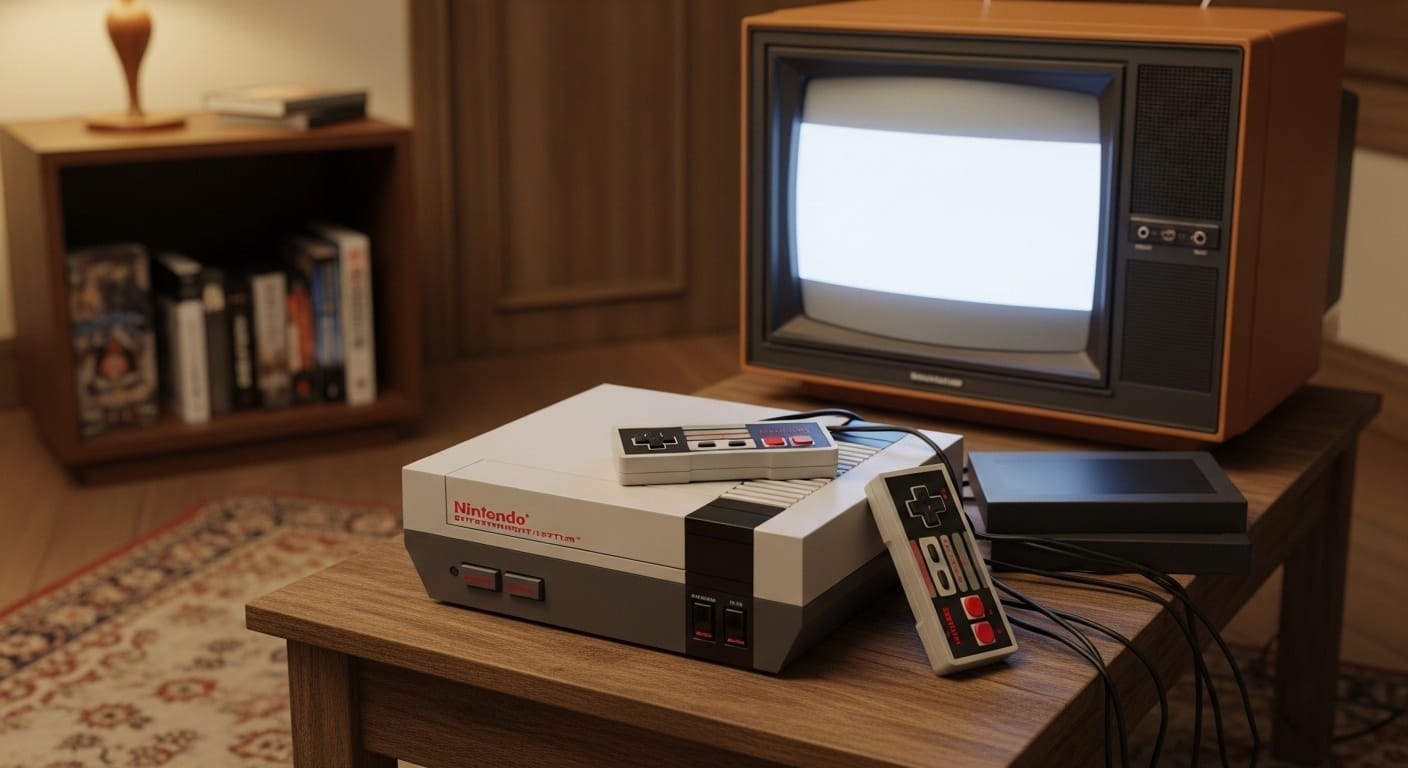
- Nintendo Entertainment System (Mario 3 dropped that year)
- Paper. Books. Board games.
What I couldn't use:
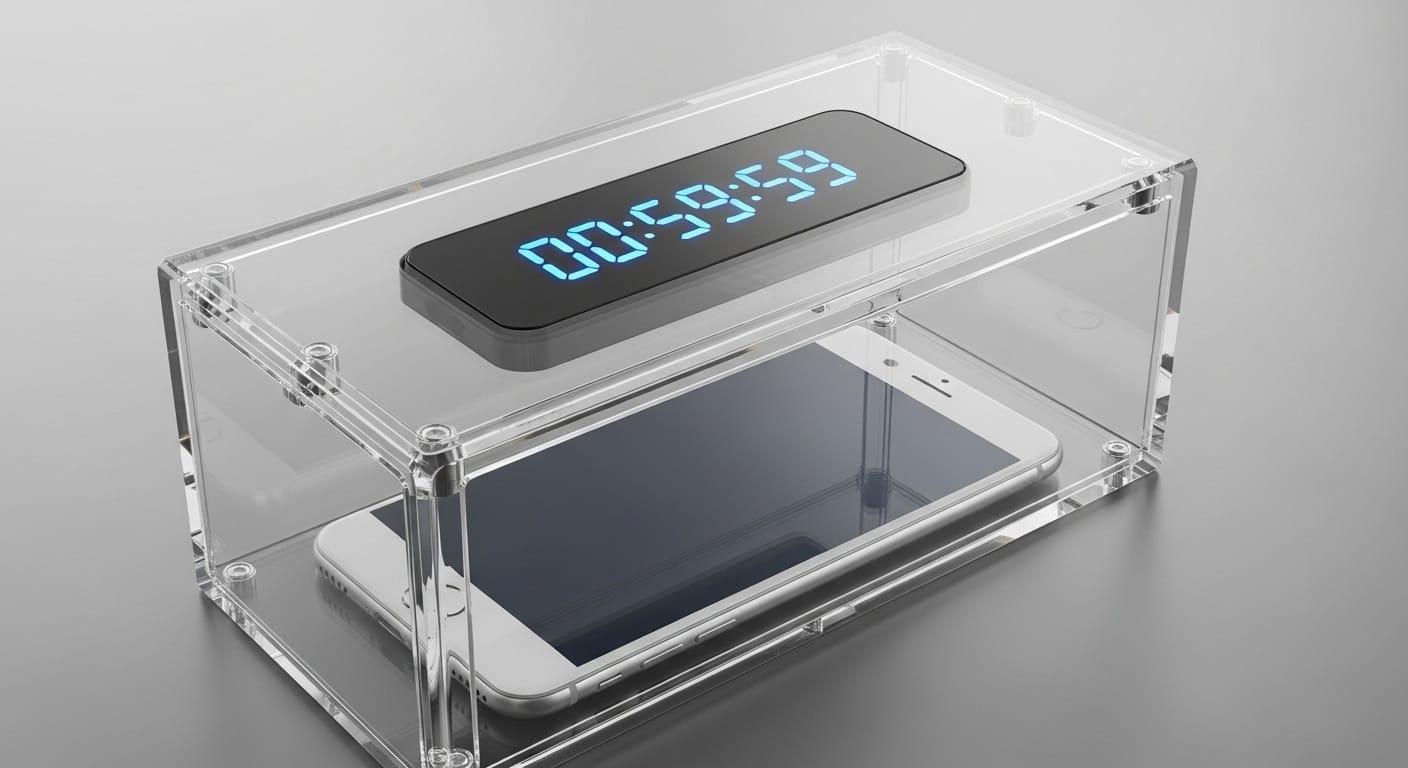
- Smartphone (locked in a timed box)
- Internet (router unplugged)
- Streaming services
- Smart home devices
- Email or texting
- GPS
If I left the house, I was GONE. Unreachable. Off the grid.
What I Measured
Equipment:
- Withings Sleep Mat — sleep stages, deep sleep, interruptions
- Polar H10 — heart rate variability (stress indicator)
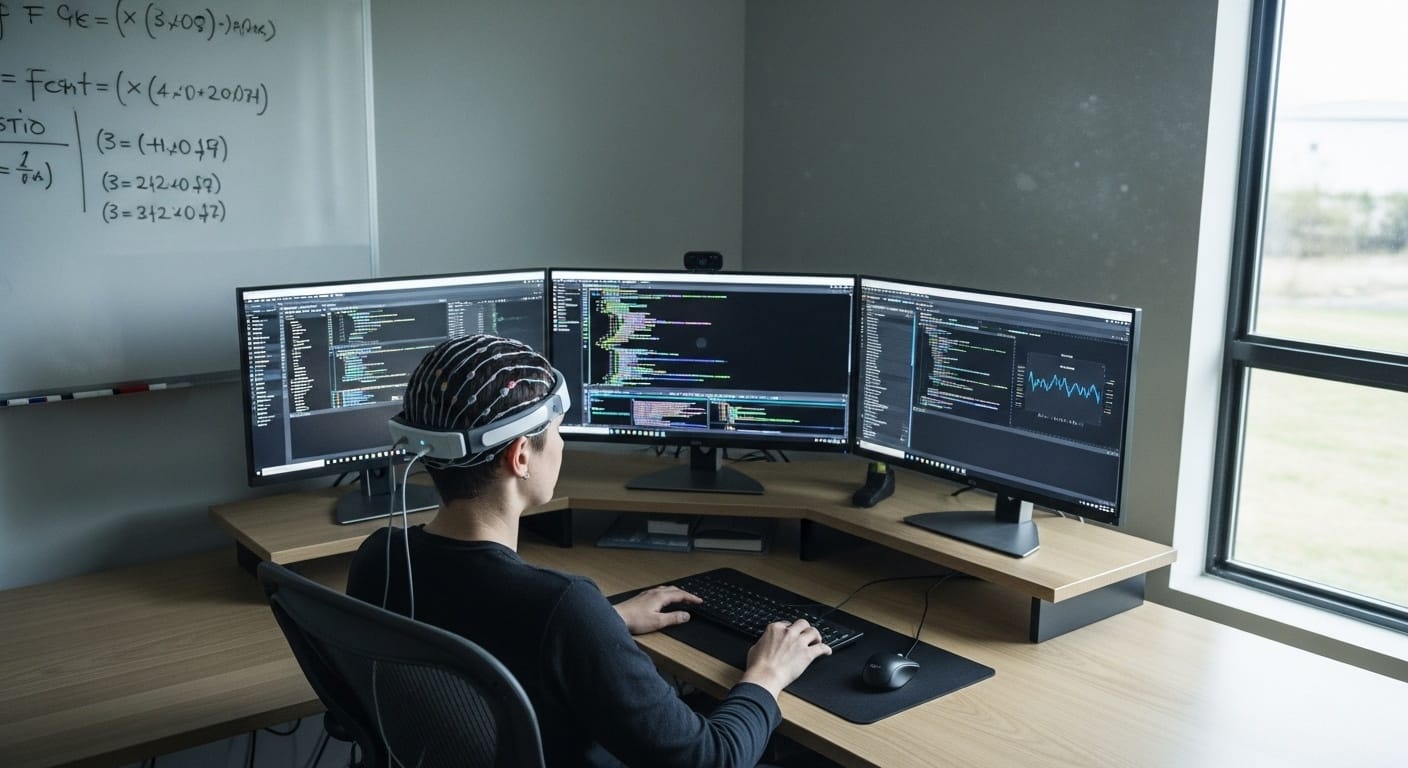
- Muse S Athena — EEG brainwave activity
Protocol:
- 3 days baseline (normal 2025 life, all the doomscrolling)
- 72 hours of 1990 (no internet, no phone)
- Compare everything
The Three Days
Day 1: Curious But Twitchy
First few hours: Reached for my phone approximately... I lost count. Every random thought, every half-second of silence, my hand just went to my pocket. Nothing there.
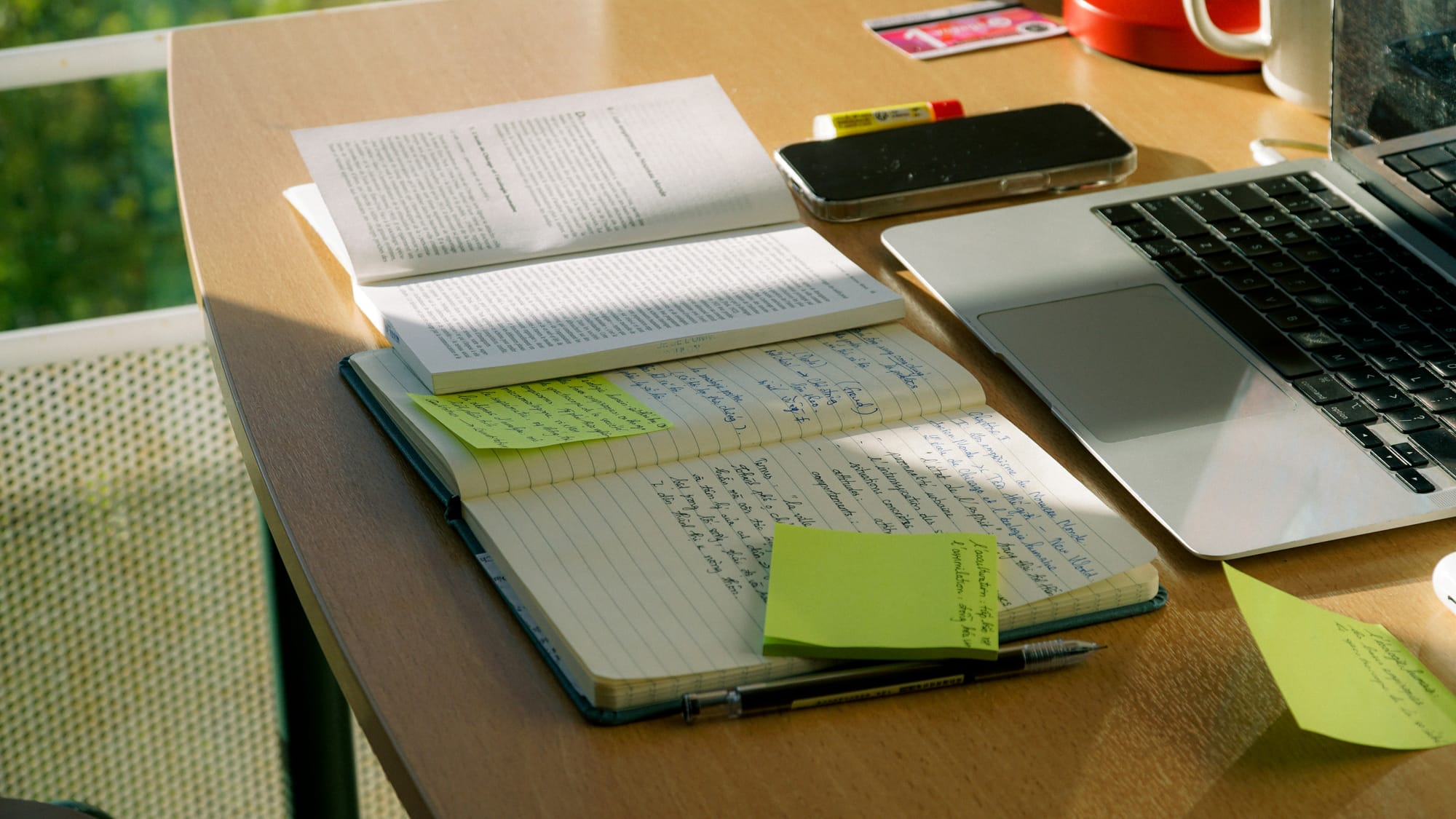
So I wrote instead. With a pen. On paper. My hand cramped after half a page.

The weird thing: It was so quiet. Not just literally—mentally quiet. Nothing pinging me. No notifications. No little red badges.
I worked for two hours straight without interruption. When's the last time that happened?
Sleep that night: Actually tired. Like, naturally tired. Went to bed at a reasonable hour for the first time in months.
Day 2: The Dopamine Crash
This Day Was Brutal
My brain was SCREAMING for stimulation. Jittery, restless, like my skull was trying to crawl out looking for something—ANYTHING—to latch onto.
This is dopamine withdrawal. When we cut off constant micro-rewards, our brains throw a tantrum.
Tried everything. Two walks. Reading. Video games. None of it scratched the itch.

The scary part: Realizing how dependent I'd become. Not on any ONE app—on the constant FEED. The endless stream. The knowing that something new is just a swipe away.
Went to bed at 6:45 PM because I didn't know what else to do.
Day 3: Something Shifted
Woke up after almost 12 hours of sleep. Felt... actually good?
For the first time since starting, I wasn't immediately reaching for my phone. The phantom vibrations stopped. I woke up and just... lay there for a while. Thinking. Being.
What I noticed:
- Worked for two hours straight on writing—on paper, no distractions
- Had a three-hour conversation with my partner. Just talked. No phones competing for attention.
- Other people became SO much more interesting when they're the most interesting thing in the environment
The Results
| Metric | Baseline | Day 1 | Day 2 | Day 3 |
|---|---|---|---|---|
| Sleep Score | 62/100 | 71/100 | 78/100 | 85/100 |
| Time to Fall Asleep | 38 min | 22 min | 14 min | 11 min |
| Deep Sleep % | 14% | 18% | 22% | 26% |
| Morning HRV | 42 ms | 48 ms | 54 ms | 61 ms |
| Subjective Focus | 5/10 | 6/10 | 2/10 | 8/10 |
The U-shaped curve was real. Day one was fine. Day two was brutal—that's the dopamine withdrawal. Day three felt genuinely different.
Research says it takes about 72 hours for the brain to start recalibrating to lower stimulation levels. Day three wasn't an accident.
Why This Matters for ADHD
The Paradox
ADHD brains aren't overstimulated—we're understimulated. That's why we seek constant input.
But here's the paradox: When we flood ourselves with digital stimulation, our dopamine baseline rises. Everything ELSE feels even more boring.
Remove the hyperstimulation for a few days, and the brain recalibrates. Boredom becomes tolerable again.
What I'm Keeping
Living completely like 1990? Not realistic. I need the internet to work. I need GPS. I need email.
But pieces of this? Yes.
- Phone-free mornings — Don't touch it until after breakfast
- Airplane mode evenings — After 8 PM, it's 1990
- Phone charges in another room at night — No more scrolling until 2 AM
- One "1990 day" per month — Full reset. No internet, no phone.
Final Verdict
The Solution Might Be Simpler Than We Think
Can living like it's 1990 "fix" ADHD? No. But it helped.
Sleep got better. Stress went down. Focus sharpened by day three. The constant low-grade anxiety of being perpetually connected? Gone.
Maybe the solution isn't better apps or productivity hacks. Maybe we just need to remember what it was like before all this.
Who Should Try This
- Anyone who can't put the phone down at night
- People whose attention feels shattered
- Those who want to reset their dopamine baseline
- Anyone curious if the constant connectivity is worth the trade-off
Who Should Skip It
- Anyone who needs to be reachable for emergencies (plan accordingly)
- People whose work requires constant connectivity
- Those who aren't ready to face the day 2 dopamine crash
Full Data & Resources
- Data Spreadsheet (coming soon)
- Research Citations (coming soon)
- Video Version (YouTube - coming soon)
Disclaimer: We're not doctors, scientists, or remotely qualified for any of this. This is entertainment and personal experimentation, not medical advice.