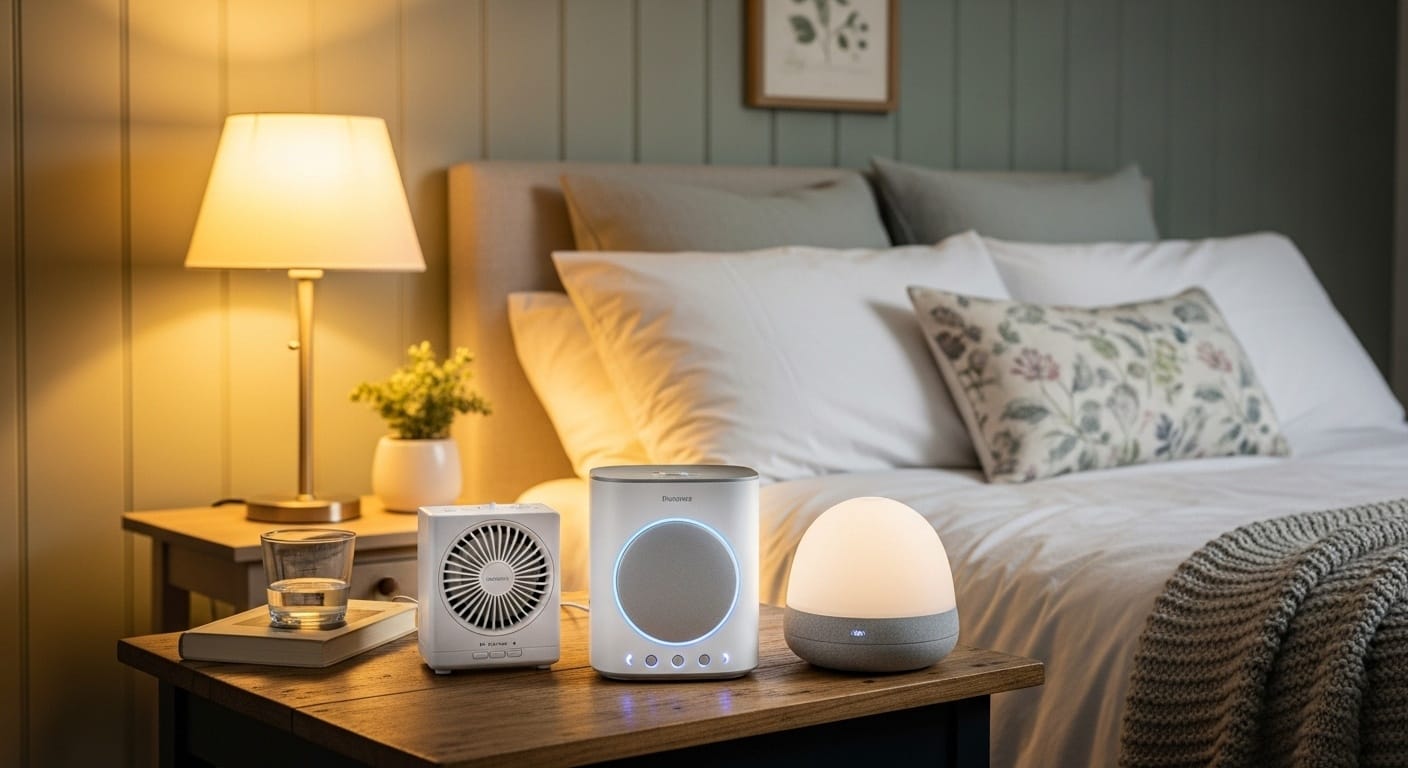

Quick Recommendations
Brain.fm
Best documented science. Real improvements in my testing. Worth it if you'll actually use it.
Lofi Girl
85% as effective at 0% of the cost. The people's champion.
Silence
Actively made everything worse. Don't do this to yourself.
The Short Version
Brain.fm claims their music boosts focus brainwaves by 119%. That's an absurd number—the kind you make up when selling supplements on Instagram. But they have a peer-reviewed study in a Nature journal. With fMRI brain scans.
After testing Brain.fm against 5 other options with EEG equipment, it works—but so did the free alternatives. Whether that's worth $70/year depends on how much you value marginal gains.
Why ADHD Brains Need Background Noise
A meta-analysis of 13 studies (335 people with ADHD) found that white and pink noise improved task performance by 25%.
But here's the wild part: The same noise that helps our ADHD brains makes neurotypical people perform worse.
We're literally wired differently. What helps us hurts them.
The theory is stochastic resonance. Imagine a weak radio signal with lots of static. Counterintuitively, adding a bit of noise makes the signal clearer.
ADHD brains have lower baseline dopamine. Our signal-to-noise ratio is already garbage. Adding external noise—white noise, music, whatever—helps the brain detect what it's supposed to focus on.
The Brown Noise Controversy
If you've been on ADHD TikTok, you've seen the brown noise phenomenon. "It's like my brain finally went quiet."
Here's the thing:
Number of peer-reviewed studies on brown noise and ADHD: ZERO.
The entire brown noise trend is 100% anecdotal. White noise? Studied. Pink noise? Studied. Brown noise? Nobody has tested it in a lab.
That doesn't mean it doesn't work. It just means we're all self-experimenting with no data.
What Brain.fm Claims
Brain.fm uses "amplitude modulation"—rapid rhythmic pulses embedded in the music at beta frequency (12-20 Hz). This is supposed to boost focus brainwaves.
Their research claims:
- 119% increase in focus-associated beta brainwaves
- Greater activation in attention-related brain regions
- Decreased activity in the mind-wandering circuit
- People with MORE ADHD symptoms showed GREATER benefits
The caveat: Brain.fm funded that research. Their Director of Science is a co-author. The study was peer-reviewed, but it's worth knowing who paid for it.
What I Tested
Equipment:
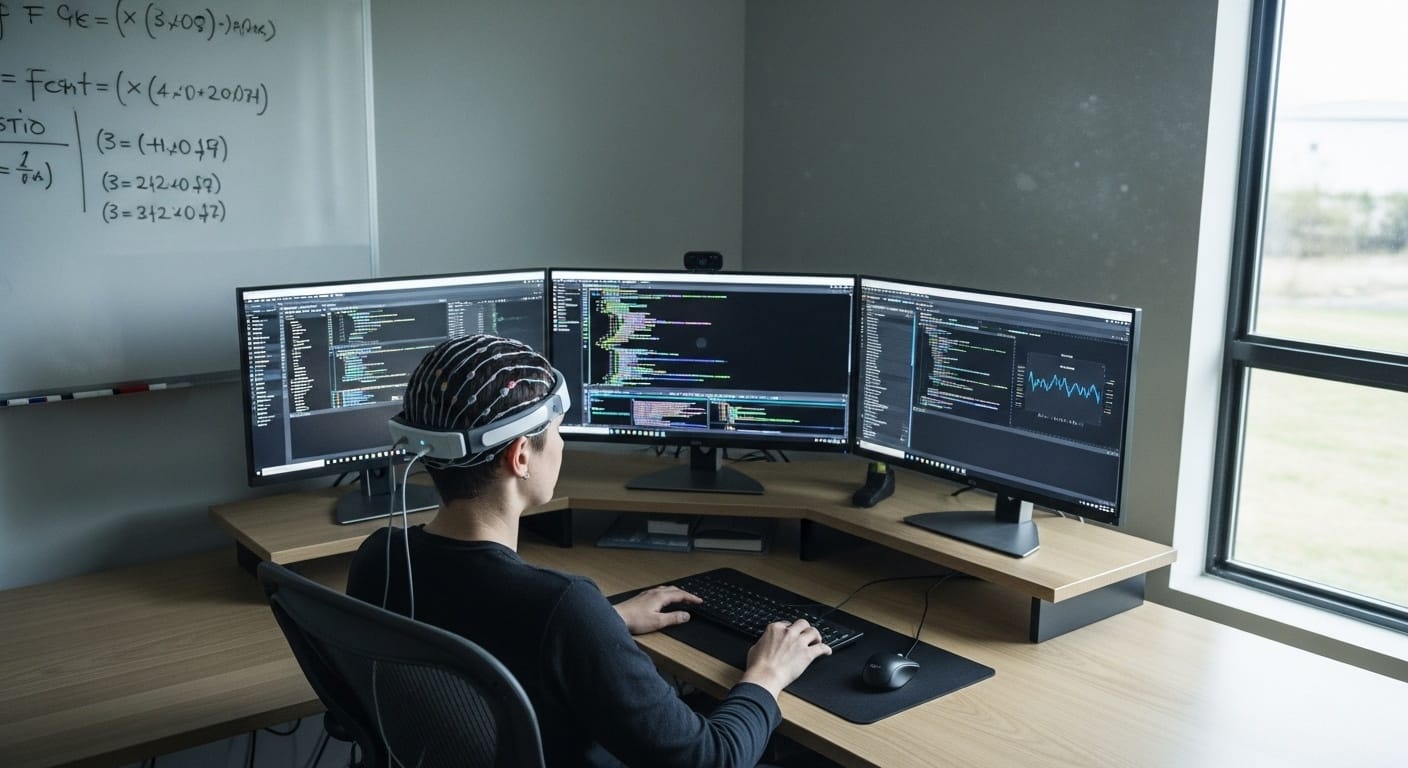
- Muse S Athena (EEG + fNIRS) — brainwave activity and prefrontal cortex blood flow
- Polar H10 — heart rate variability
- ActivityWatch — actual time on task
The Contenders:
| Service | Cost | Technology |
|---|---|---|
| Brain.fm | $70/year | Amplitude modulation |
| Endel | $70/year | AI-adaptive soundscapes |
| Lofi Girl | Free | Steady 70-90 BPM, no lyrics |
| Personal Metal Playlist | Free | Doom 2016 soundtrack |
| DIY Focus Playlist | Free | Curated by the rules |
| Silence | Free | Torture |
Protocol: Same task each day (video editing, 2 hours), same measurements, 1 day per condition.
The Results
| Condition | Time on Task | App Switches/Hr | Theta/Beta | Subjective Focus |
|---|---|---|---|---|
| Baseline | 64% | 11 | 2.4 | 5/10 |
| Silence | 52% | 18 | 2.8 | 3/10 |
| Brain.fm | 76% | 5 | 1.8 | 8/10 |
| Endel | 71% | 7 | 2.0 | 7/10 |
| Lofi Girl | 73% | 6 | 1.9 | 7/10 |
| Metal Playlist | 74% | 6 | 2.1 | 9/10 |
| DIY Playlist | 72% | 7 | 2.0 | 7/10 |
The Breakdown
Silence: The Torture Control
My brain in silence is like a browser with 47 tabs open, all playing different music.
After 20 minutes I had: reorganized my desk twice, noticed a weird AC sound I couldn't stop hearing, remembered something embarrassing from 2017, and completely forgotten what I was working on.
The research was right—silence actively made things worse. My theta waves (mind-wandering) went through the roof.
Silence: Skip This
Made everything worse. Don't do this to yourself.
Brain.fm: The Science-Backed One
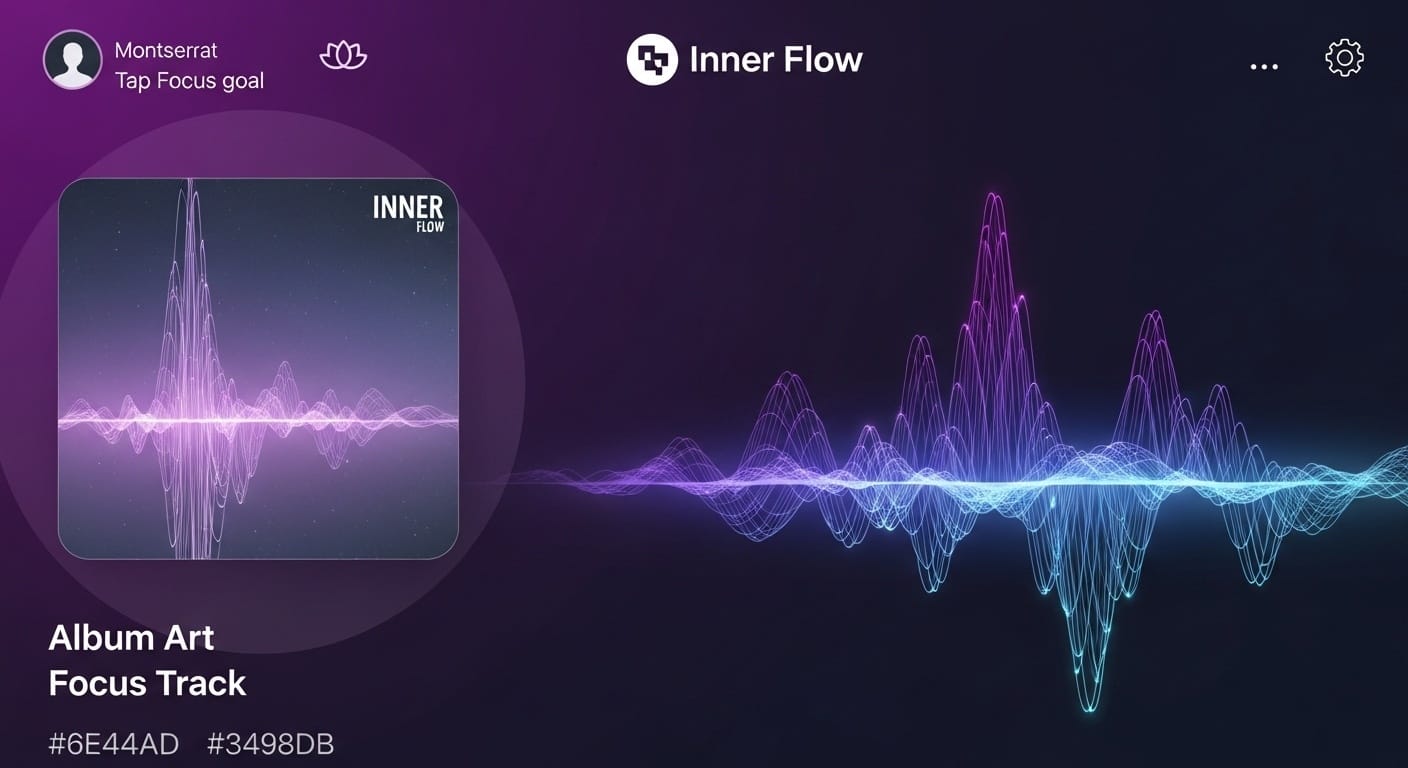
Brain.fm
Best performance in my testing. Clean interface, no ads, works on all devices. The amplitude modulation technology is real—whether it's meaningfully better than alternatives is less clear.
Price: $70/year or $10/month
The experience: Twenty minutes in and I was actually working. Continuously. The music is hypnotic—present but not pulling attention. Like a weighted blanket for my ears.
Best for: People who want documented science, a clean app experience, and no ads.
The catch: Is it the amplitude modulation, or would ANY consistent background music do the same thing?
Endel: The AI Adaptive One

The pitch: Generates soundscapes in real-time based on time of day, weather, heart rate, and what you're doing.
The reality: The constant micro-changes kept pulling my attention. "Oh, the sound shifted" instead of ignoring it entirely.
Best for: People who like the idea of personalized soundscapes and don't mind the learning curve.
Practicality: 7/10 — Heart rate sync is cool but adds complexity.
Lofi Girl: The People's Champion
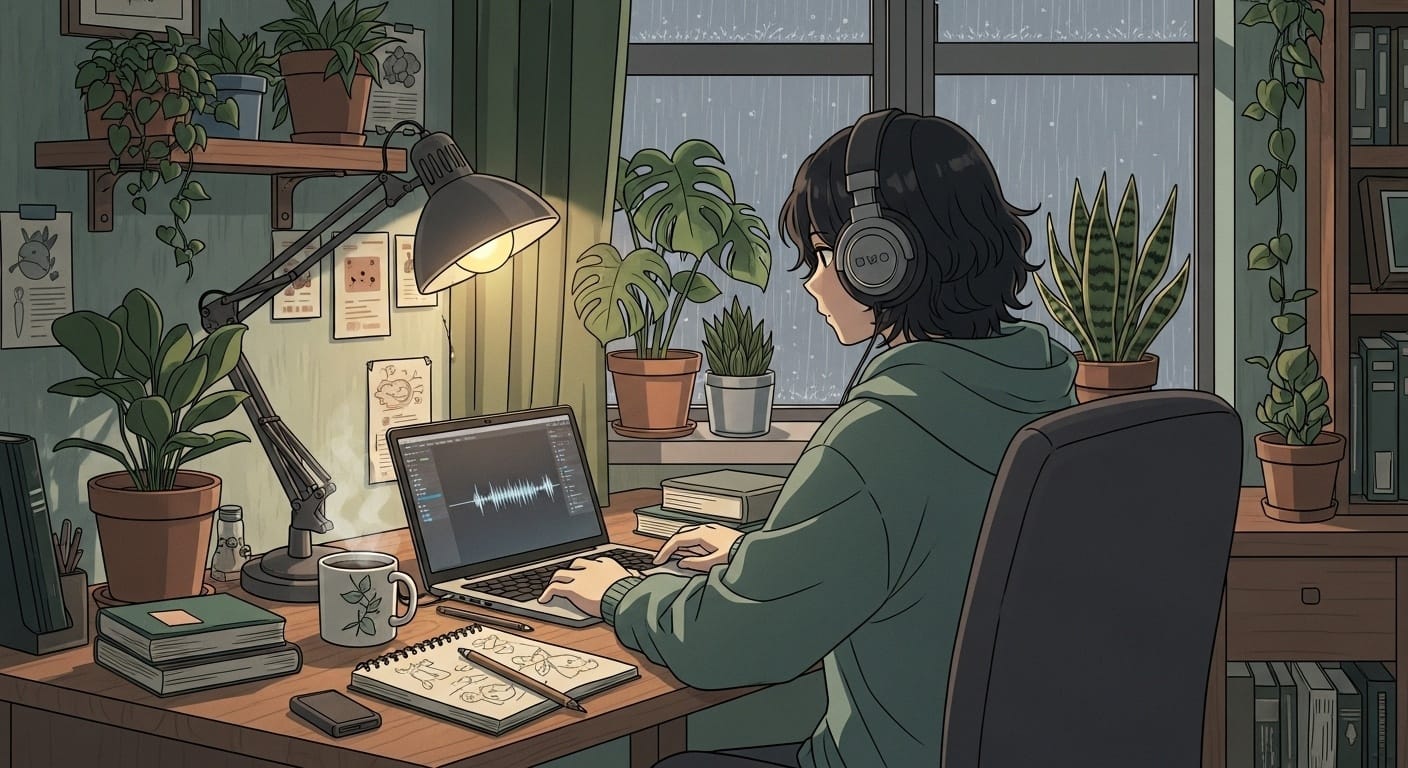
Lofi Girl
15 million subscribers. Free forever. Performed nearly as well as the $70/year option. The familiarity factor might be doing half the work.
Price: Free
The catch: Ads will destroy everything if you don't have YouTube Premium.
Personal Metal Playlist: The Wild Card
My "TURBO FOCUS MELODIC METAL DOOM 2016 SOUNDTRACK" violates every rule:
- High BPM (150+ vs. the recommended 50-80)
- Has lyrics (should interfere with verbal processing)
- Dramatic changes (builds, drops, crescendos)
And yet... it worked. Almost as well as Brain.fm.
The theory: Maybe when we've heard something 500 times, it becomes comforting instead of distracting. Familiarity beats scientific optimization.
What Actually Matters
Based on everything I tested and read:
- Consistency — Something reliable for the brain to lock onto
- Non-intrusiveness — Doesn't demand attention
- Personal fit — What works for YOUR specific brain
The specific scientific design might matter less than finding SOMETHING that works and sticking with it.
The Value Question
| Service | Cost | Performance |
|---|---|---|
| Brain.fm | $70/year | Best |
| Endel | $70/year | Good |
| Lofi Girl | Free | Almost as good |
| DIY Playlist | Free | Good |
| Personal music | Free | Depends on person |
The effect size for all of this is small—around 0.25 compared to 1.0+ for medication. We're talking modest improvements, not life-changing transformations.
Is that worth $70/year? That's less than one therapy session. If it helps even slightly, it's probably worth it.
Final Verdict
Any Background Sound Beats Silence
The science is real—consistent background sound helps ADHD brains focus. Brain.fm has the best documentation and performed best in my testing.
But Lofi Girl is 85% as effective at 0% of the cost. And your own familiar playlist might work just as well.
Try the free options first. If you want the premium experience and can afford it, Brain.fm is the one.
Full Data & Resources
- Data Spreadsheet (coming soon)
- Research Citations (coming soon)
- Video Version (YouTube - coming soon)
- DIY Focus Playlist (coming soon)
Disclaimer: We're not doctors, scientists, or remotely qualified for any of this. This is entertainment and personal experimentation, not medical advice.