

Quick Verdict
Medication Supplementers
People already on medication who want additional support.
Quick-Fix Seekers
This takes 4-6 weeks to work. Our brains don't do deferred gratification.
The Short Version
The FDA looked at a video game and said "yes, this is medicine now." EndeavorOTC is the first FDA-cleared digital therapeutic for adult ADHD. You fly a spaceship, tap targets, avoid obstacles, and supposedly your focus improves.
After 4 days of testing with EEG equipment and productivity tracking, I found modest acute effects—but the real question is whether any of us will stick with it for the 30+ days it takes to see full results.
Price: $24.99/month | $99.99/6 months | $129.99/year
What Is EndeavorOTC?
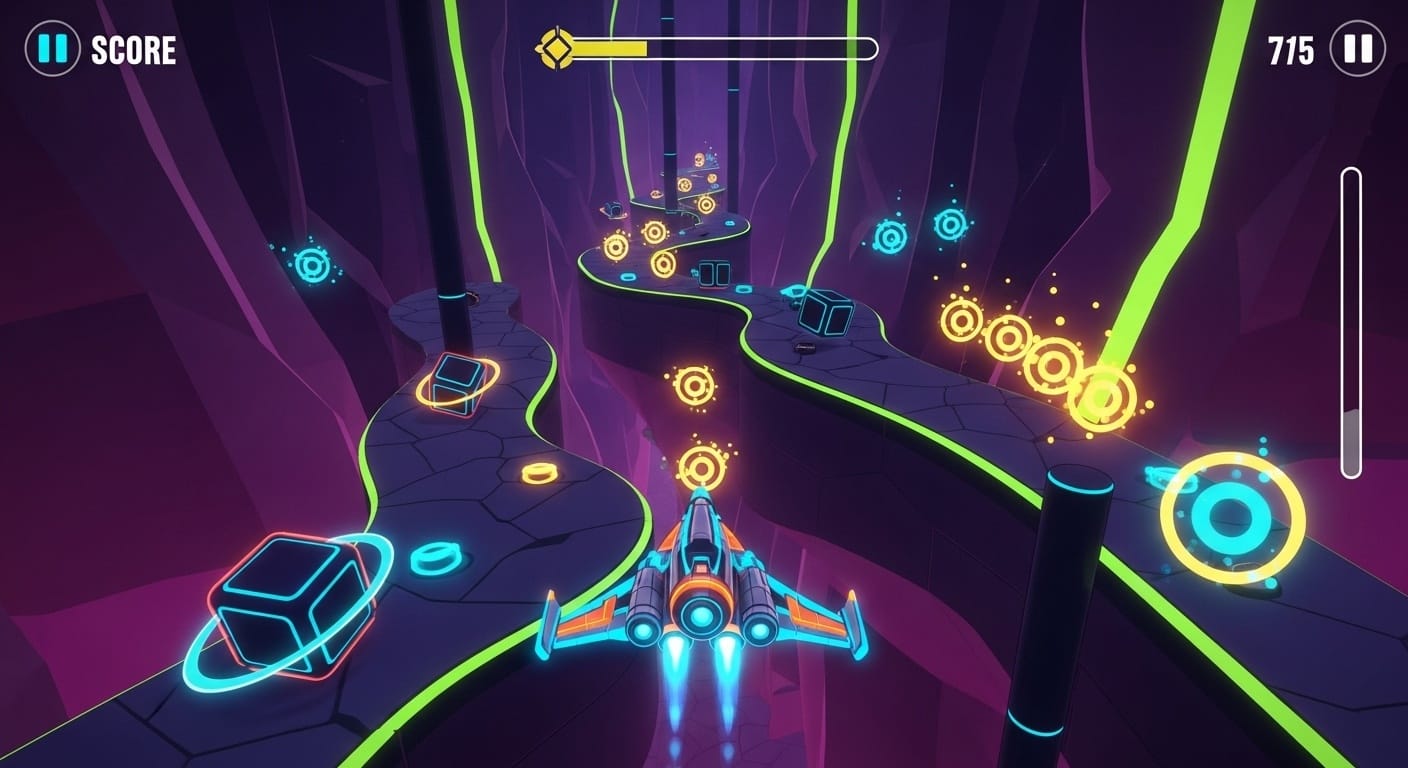
EndeavorOTC is a "digital therapeutic" made by Akili Interactive. It's a video game that's been through clinical trials and received FDA clearance as a medical treatment.
The gameplay is deceptively simple:
Task 1: Steer a spaceship—avoid obstacles, stay on course
Task 2: Tap colored targets while ignoring similar-looking distractors
The key is doing BOTH simultaneously. This dual-task mechanic trains attention systems using something called the Selective Stimulus Management Engine (SSME), which adapts difficulty in real-time.

The STARS-ADHD-Adult trial (n=221) found:
- 83% reported improved focus after 6 weeks
- 72.5% reported improved quality of life
- 45.8% hit "clinically meaningful improvement"
These are real numbers from a real study. That's not nothing.
The Adult Tax Problem
EndeavorOTC has a sibling—EndeavorRX—which is the version for kids ages 8-17. Same technology, same spaceship.
| EndeavorRX (Kids) | EndeavorOTC (Adults) | |
|---|---|---|
| Requires Prescription | Yes | No |
| Insurance Coverage | Some plans cover it | Nope |
| FSA/HSA Eligible | Yes | Sometimes |
| Cost | $99/month (potentially covered) | $24.99/month (all on us) |
Kids can get this prescribed and covered by insurance. Adults just... have to pay for a subscription. Forever.
Very on-brand for adult ADHD that once again, kids get the actual medical infrastructure and we get "here's an app, figure it out yourself."
The 30-Day Problem
Akili recommends playing 25 minutes a day, 5 days a week, for 4-6 weeks to see results.
Six weeks. They want us to commit to six weeks of daily gaming before we know if this works.
And look—we both know that if something doesn't show results in about 72 hours, our ADHD brains are absolutely wandering off to the next shiny thing.
So I tested whether this shows ANY acute effects—same-day improvements—or if it's purely long-term.
What I Tested
Equipment:
- Muse S Athena (EEG + fNIRS) — brainwave activity and prefrontal cortex blood flow
- Polar H10 — heart rate variability
- ActivityWatch — actual time on task and distractions
Protocol:
- 3 days baseline (no game, just video editing work)
- Day 1: 8 minutes gameplay → 2 hours work
- Day 2: 15 minutes gameplay → 2 hours work
- Day 3: 25 minutes gameplay → 2 hours work (full dose)
- Day 4: Morning game → afternoon work (testing timing)
The Results
| Metric | Baseline | Day 1 | Day 2 | Day 3 | Day 4 |
|---|---|---|---|---|---|
| Time on Task | 64% | 68% | 71% | 74% | 69% |
| App Switches/Hr | 11 | 9 | 7 | 6 | 8 |
| Theta/Beta Ratio | 2.4 | 2.2 | 2.1 | 1.9 | 2.2 |
| Subjective Focus | 5/10 | 6/10 | 7/10 | 7/10 | 6/10 |
There IS something here. Not dramatic, but over 4 days I saw:
- +10% time on task vs. baseline
- ~45% reduction in app switches
- Improved theta/beta ratio (lower = better focus)
The Vampire Survivors Experiment
The obvious question: Can't I just play any fast-paced game and get the same benefit?
So I tested Vampire Survivors—chaotic roguelike mayhem, definitely not designed as a therapeutic.
| Metric | Baseline | EndeavorOTC (Day 3) | Vampire Survivors |
|---|---|---|---|
| Time on Task | 64% | 74% | 67% |
| App Switches/Hr | 11 | 6 | 9 |
| Theta/Beta | 2.4 | 1.9 | 2.3 |
Vampire Survivors produced SOME alertness boost, but not the structured attention improvement of EndeavorOTC.
The difference: EndeavorOTC forces simultaneous dual-task management, adaptive difficulty at your skill edge, and active distractor suppression. Vampire Survivors is reactive chaos—responding to what's happening, not managing conflicting cognitive tasks.
The Science Reality Check

What the Research Actually Shows
The Good: Clinical trials are real. FDA clearance is legitimate. 83% reported improved focus.
The Complicated: Improvements were measured on attention TESTS (like the TOVA). Did people get better at a computer attention test after weeks of playing a computer attention game? Yes.
Did that translate to actual productivity at work or better relationships? That's... less clear.
Dr. Russell Barkley, one of the top ADHD researchers, said about the kids version: "The effects just don't generalize." You get better at the test. It's less clear you get better at life.
Effect Size Comparison:
- Video game treatments: 0.28-0.88
- Stimulant medication: 0.78-1.02
Games are roughly half to one-quarter as effective as medication. That doesn't mean useless—0.28 is better than zero. But set realistic expectations.
What EndeavorOTC Gets Right
What Actually Works
- Clinically validated — Real trials, real FDA clearance, not snake oil
- Adaptive difficulty — Stays challenging without being frustrating
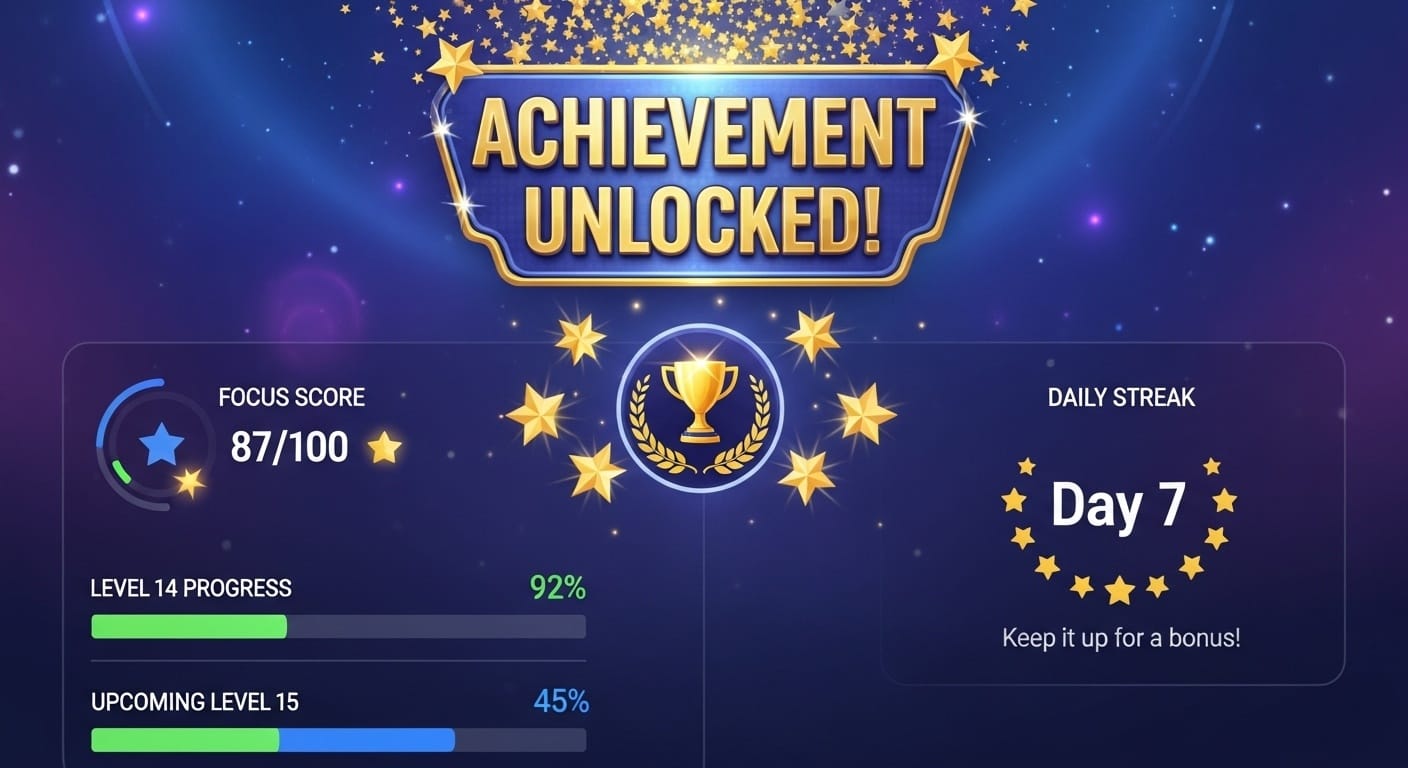
- Focus Score tracking — Gamification that works for our brains
- Genuinely feels like a game — Not a boring cognitive test
- No ads or interruptions — Just the treatment
What EndeavorOTC Gets Wrong
Where It Falls Short
- $25/month — For something requiring weeks of daily use to see results
- Requires internet — No offline mode
- 25 minutes/day commitment — That's significant time
- Can't pause mid-mission — Life happens
- Adults pay more than kids — No insurance coverage
Who Should Try EndeavorOTC

- Already on medication but want additional support
- Curious about non-medication interventions
- Can actually commit to 25 minutes/day for weeks
- $25/month is affordable for experimentation
- Gamification works well for your brain
Who Should Skip It
- Looking for a quick fix (this isn't one)
- Can't afford the subscription right now
- Hate games that feel like work
- Need insurance coverage (try the kids version if eligible)
- Expecting it to replace medication or therapy
The Value Question
| EndeavorOTC | $24.99/month | $129.99/year |
|---|---|---|
| vs. ADHD Medication | $20-50/month generic | Potentially covered |
| vs. ADHD Coaching | $100-300/hour | Way more expensive |
| vs. Therapy | $100-200/session | Way more expensive |
| vs. Doing Nothing | Free | ...but costly in other ways |
If this produces even modest focus improvement... $130/year is a good deal for people whose productivity is worth money.
The problem is the "if."
Final Verdict
Real Science, Modest Effects, Big Commitment
EndeavorOTC is a legitimate digital therapeutic—not snake oil. The science is real, the FDA clearance is real, and the effects are measurable.
But the effects are subtle, they take weeks to develop fully, and the commitment is significant. It's one tool in a toolbox, not a cure.
Price: $24.99/month or $129.99/year
Our rating: 7/10 for ADHD brains willing to commit
Full Data & Resources
- Data Spreadsheet (coming soon)
- Research Citations (coming soon)
- Video Version (YouTube - coming soon)
- EndeavorRX (Kids Version)
Disclaimer: We're not doctors, scientists, or remotely qualified for any of this. This is entertainment and personal experimentation, not medical advice.