
How We Test
The Short Version
We buy stuff. We use it. We measure what happens. We tell you the truth.
The Longer Version
Our Equipment Stack
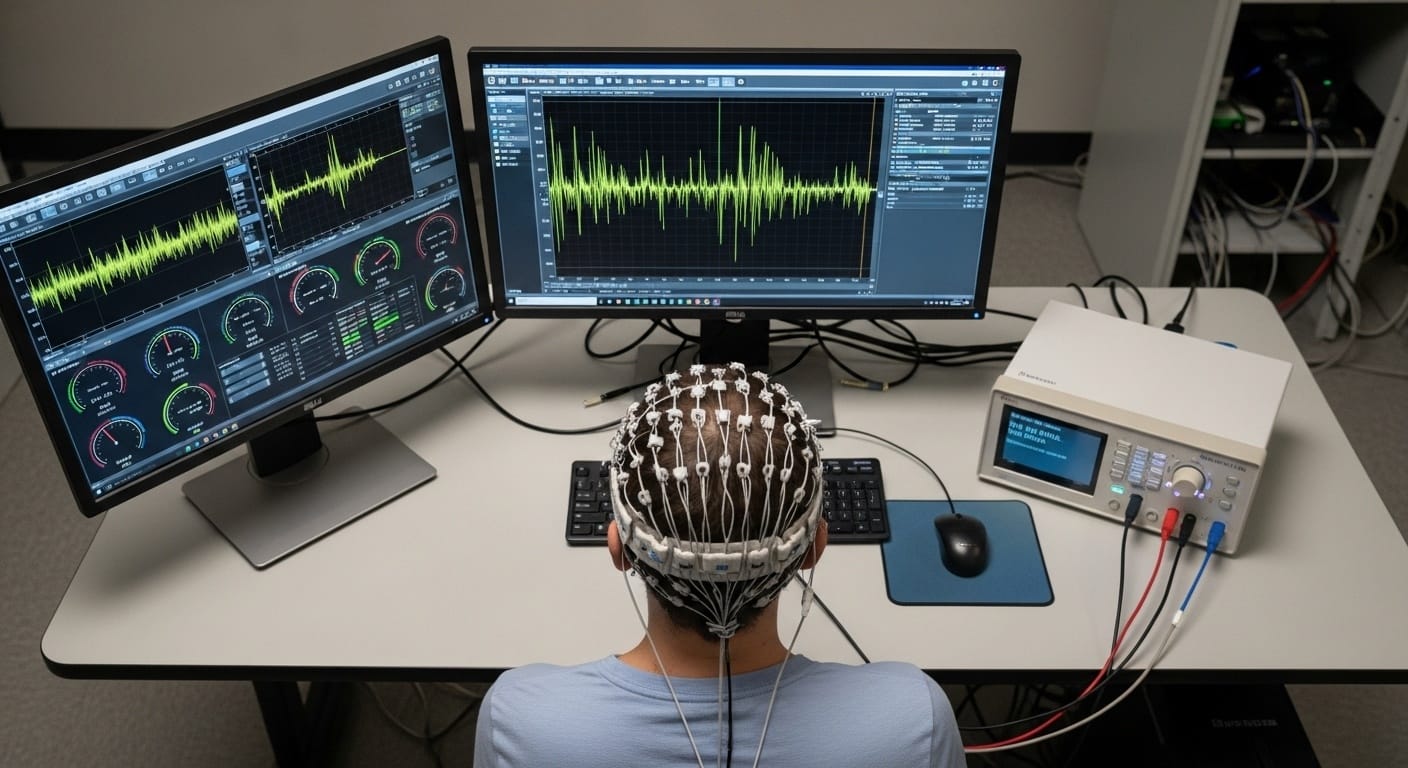
We use consumer-grade measurement tools to track what's actually happening in our ADHD brains. Not because we think we're scientists—we're definitely not—but because "it felt good" isn't data.
| Equipment | What It Measures | Why It Matters |
|---|---|---|
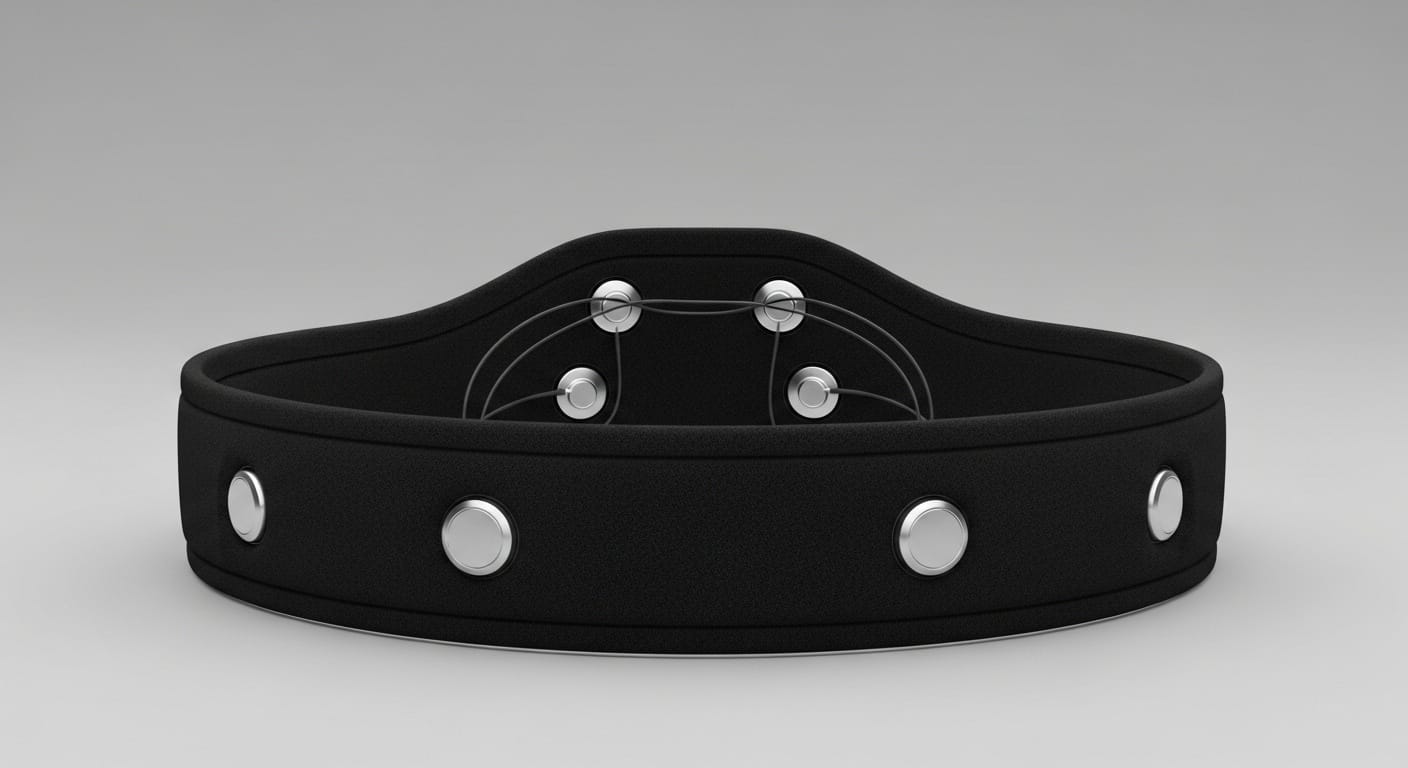
| Muse S Athena | EEG (brainwaves) + fNIRS (prefrontal cortex blood oxygenation) | Shows whether our focus centers actually light up |
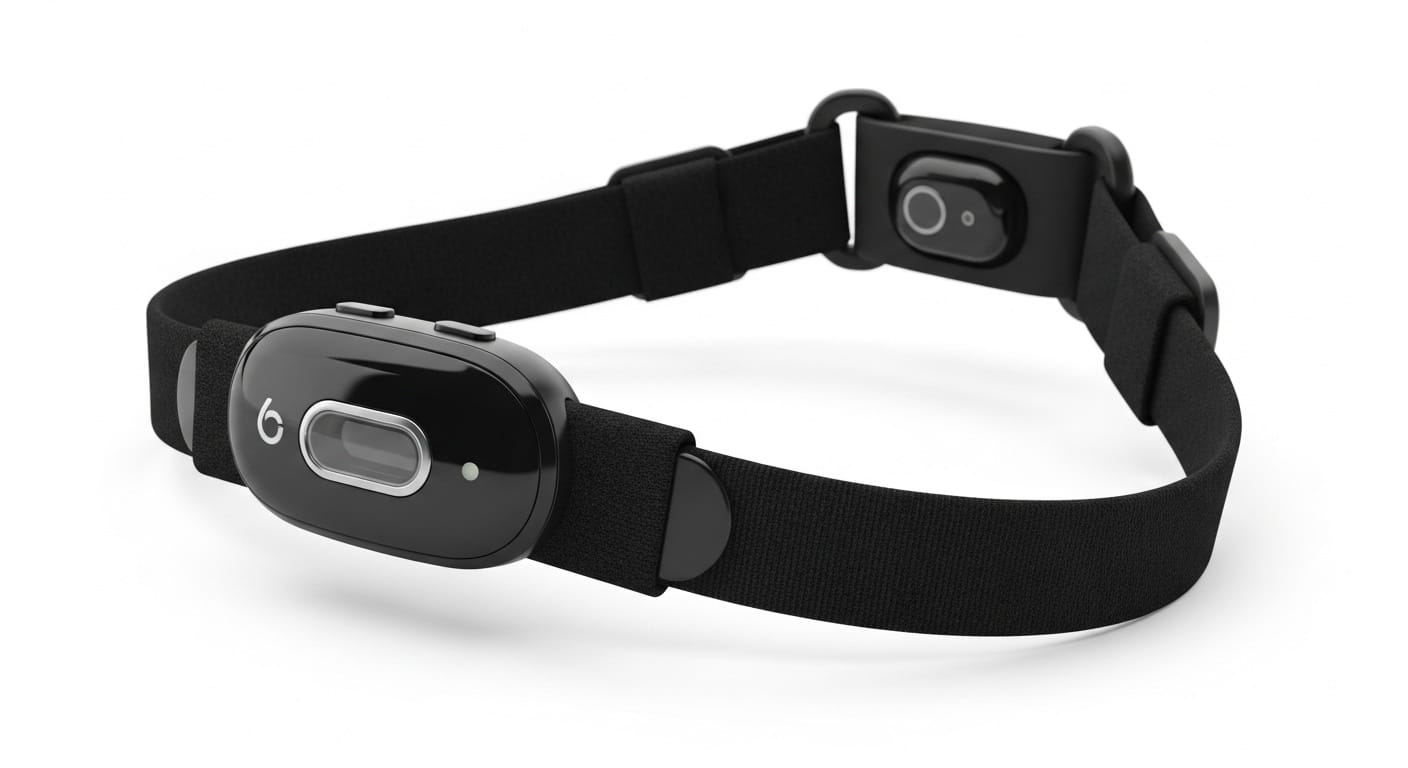
| Polar H10 | Heart rate variability (HRV) | Tells us if something is calming or stressing our nervous system |
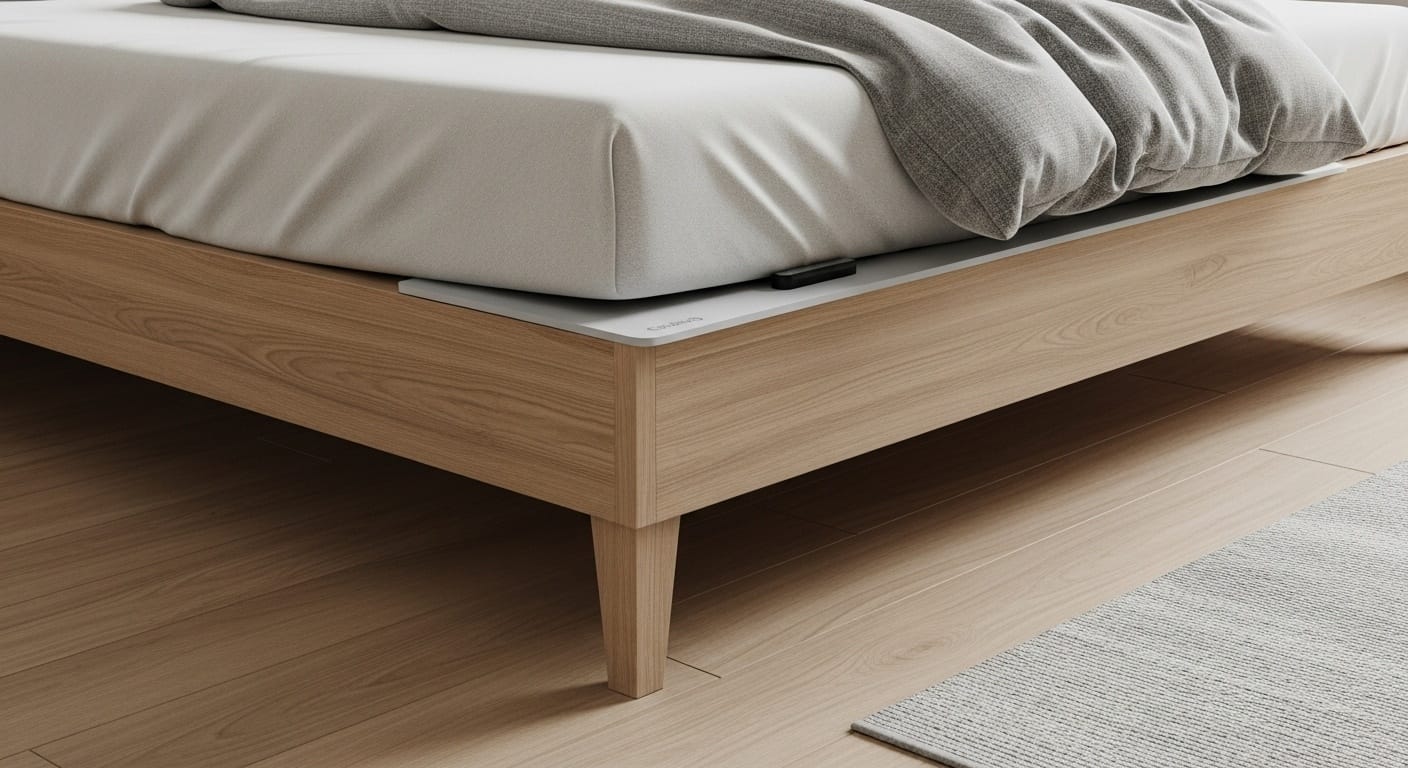
| Withings Sleep Mat | Sleep stages, interruptions, REM % | REM sleep is the #1 predictor of quality of life for ADHD |
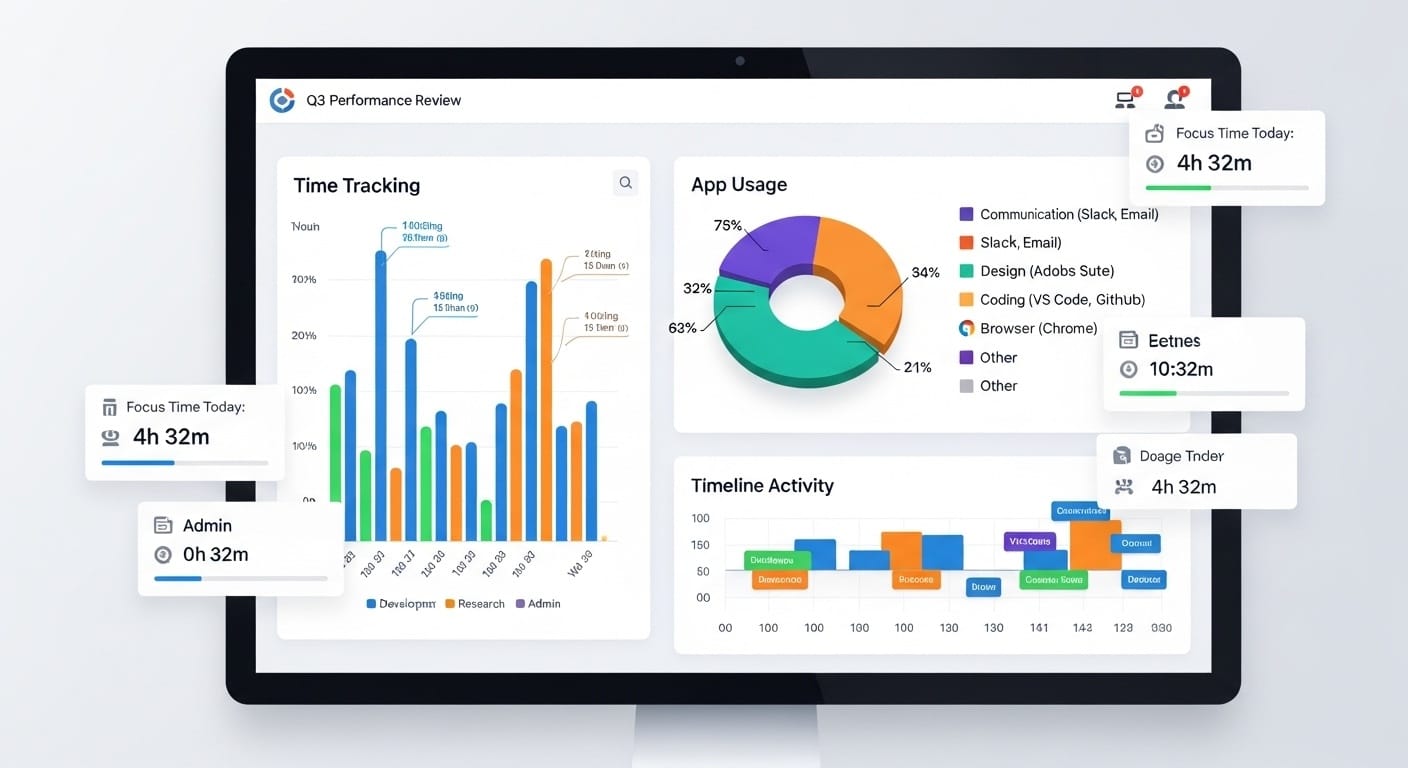
| ActivityWatch | App usage, time on task, distraction frequency | Tracks actual behavior, not intentions |
Our Testing Philosophy
1. Same-day baseline comparisons
For quick tests, we measure the same task WITH and WITHOUT the intervention on the same day. This controls for "good days" and "bad days."
2. Multi-day testing for products
For product reviews, we test over 3+ days minimum. ADHD brains love novelty—we need to see if something still works after the shiny wears off.
3. Price tier comparisons
For product categories, we test budget, mid-range, and premium options. Because "best" is meaningless without context. Best for whom? Best at what price?
4. ADHD-specific criteria
We evaluate products on dimensions neurotypical reviewers miss:
- Cognitive load: How much mental energy does setup require?
- Friction: Does it add steps between impulse and action?
- Guilt mechanics: Does failure trigger shame spirals? (Bad for RSD-prone brains)
- Visual feedback: Is progress visible? (Critical for time-blind brains)
- Novelty sustainability: Will this still work in 3 weeks?
What We're NOT
- Medical professionals. We don't give medical advice. We share n=1 experiments.
- Paid reviewers. Companies don't pay us for positive reviews. Affiliate links, yes. Pay-for-play, never.
- Statistically significant. Sample size of one. Consumer equipment. "Science" in very heavy air quotes.
Why This Matters
Most product reviews are written by neurotypical people for neurotypical brains. They miss the things that matter to us:
- Does the app add cognitive load when we're already depleted?
- Does the guilt-based gamification trigger RSD?
- Does the product assume we'll remember to use it?
- Does the subscription model punish our tendency to forget renewals?
We test for the stuff no one else tests for. Because we actually have ADHD. And we're tired of tools designed for brains that aren't ours.
The Callout System
When we review products, we use a consistent system:
TOP PICK
Our #1 recommendation. The one we'd buy ourselves.
BUDGET PICK
Best value. Does the job without breaking the bank.
UPGRADE PICK
Premium option. Worth it if you specifically need certain features.
RUNNER-UP
Almost as good as our top pick. Great alternative.
BEST FOR [USE CASE]
Perfect for a specific situation or need.
SKIP THIS
We don't recommend it. Here's why.
ADHD TIP
Something we learned that might help.
Full Data Access
Every review includes a link to our full data. Spreadsheets. Graphs. The messy truth.
Because transparency isn't just a value. It's how trust gets built.
The Science We Reference
We try to cite actual research whenever possible. Some key concepts that come up frequently:
Dopamine Transfer Deficit — ADHD brains maintain reward value for only 5-15 seconds (vs 60 seconds for neurotypical brains). This is why "you'll feel good after" doesn't motivate us.
Stochastic Resonance — Adding background noise actually helps ADHD brains process information better. White noise helps us and hurts neurotypical focus.
Time Blindness — We don't perceive time passing normally. Visual progress is critical.
Rejection Sensitive Dysphoria (RSD) — 70-99% of adults with ADHD experience intense emotional responses to perceived failure. Guilt-based apps can backfire badly.
Have questions about our methodology? Email us at hello@thecuratedbrain.com