
Quick Verdict
App-Fatigued People
If every productivity app stops working after two weeks, physical feedback might be what you need.
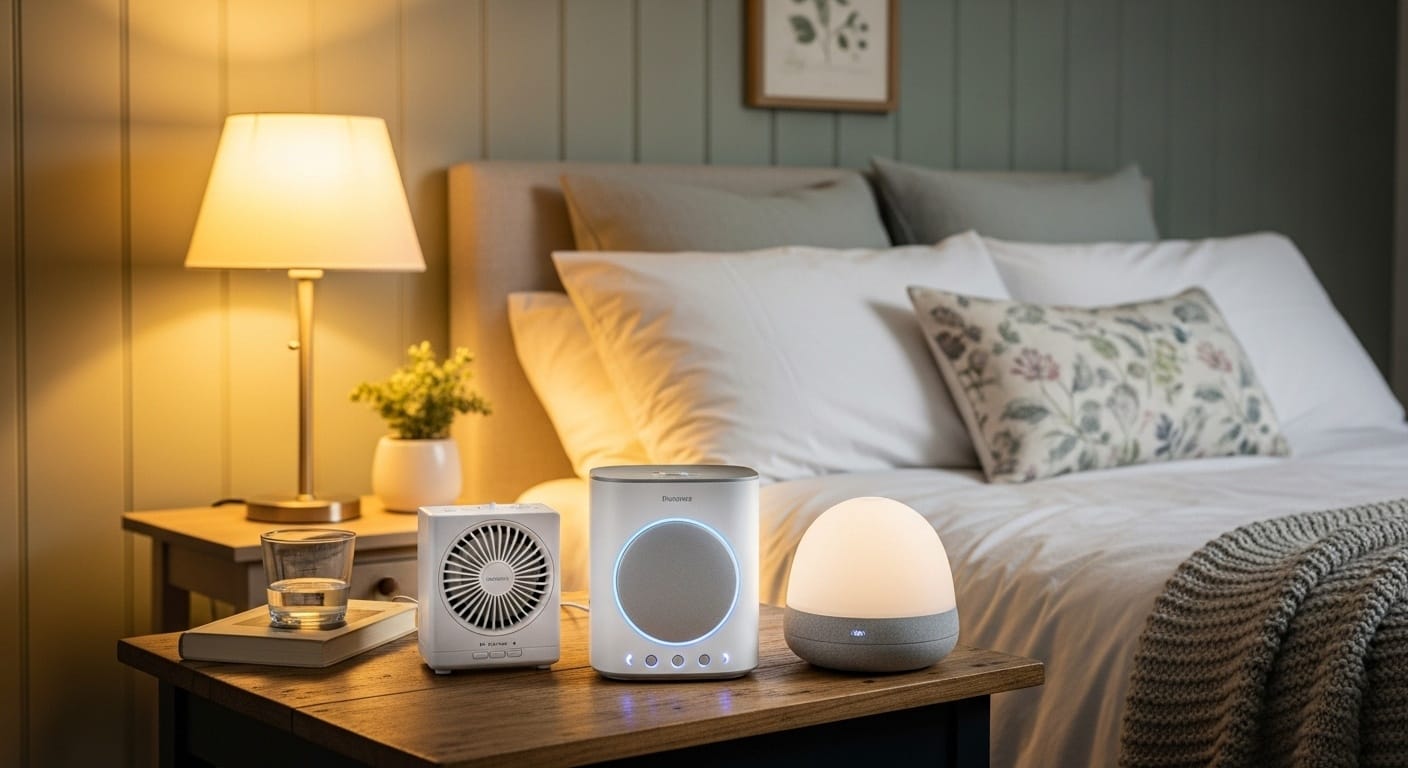
Need Quiet
These things are NOT quiet. Also: it's a lot of paper waste.
The Short Version
The internet tells me a $40 receipt printer can "cure" ADHD. Bold claim for something that prints grocery lists.
After building a productivity system around one and testing for 3 days with EEG equipment, I found it actually helped—but probably not for the reasons you'd think. The magic isn't in the printer. It's in what the printer forces you to do differently.
Cost: ~$40-60 for printer + paper
What Even Is This?
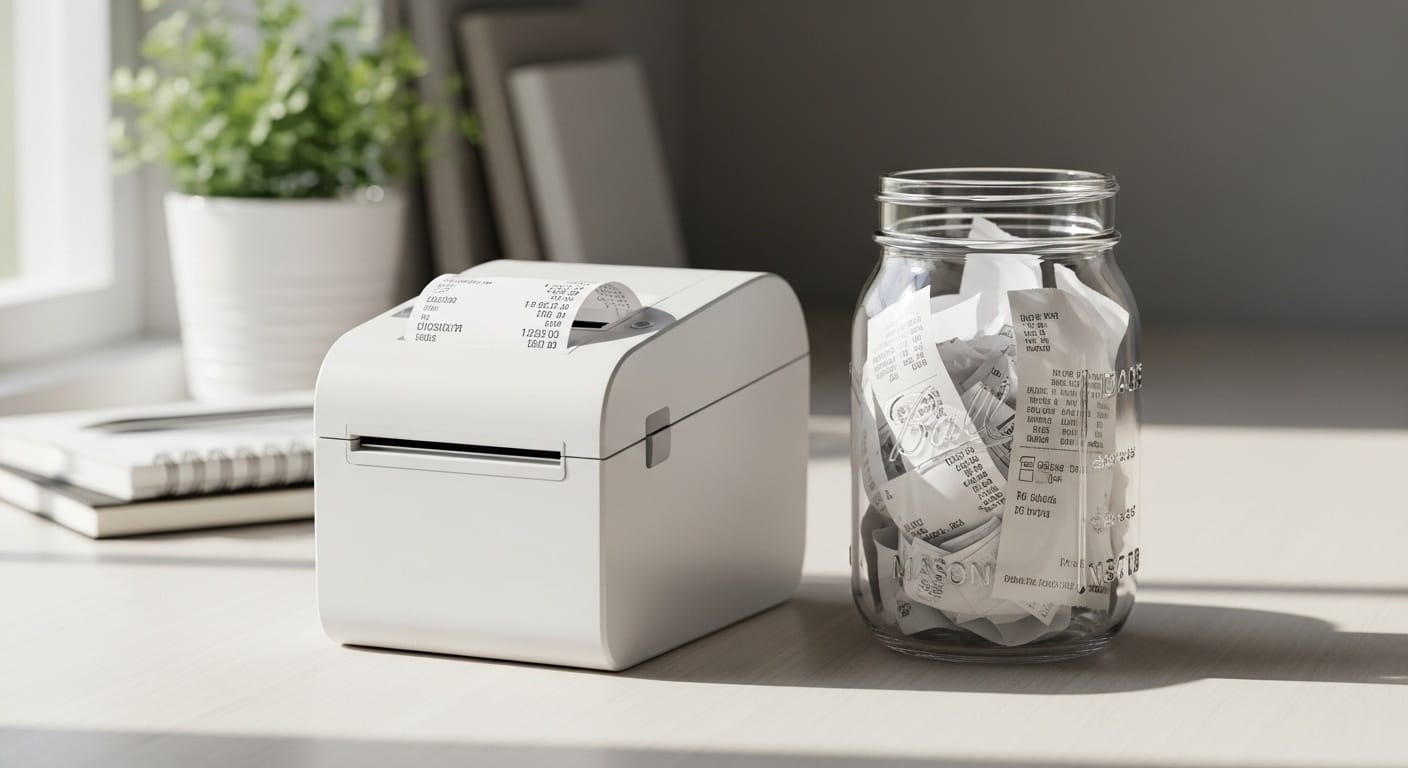
There's a growing movement of ADHD developers using thermal receipt printers as productivity tools. The system:
- Print your todo list on receipt paper
- Complete a task
- Print a "QUEST COMPLETE" receipt
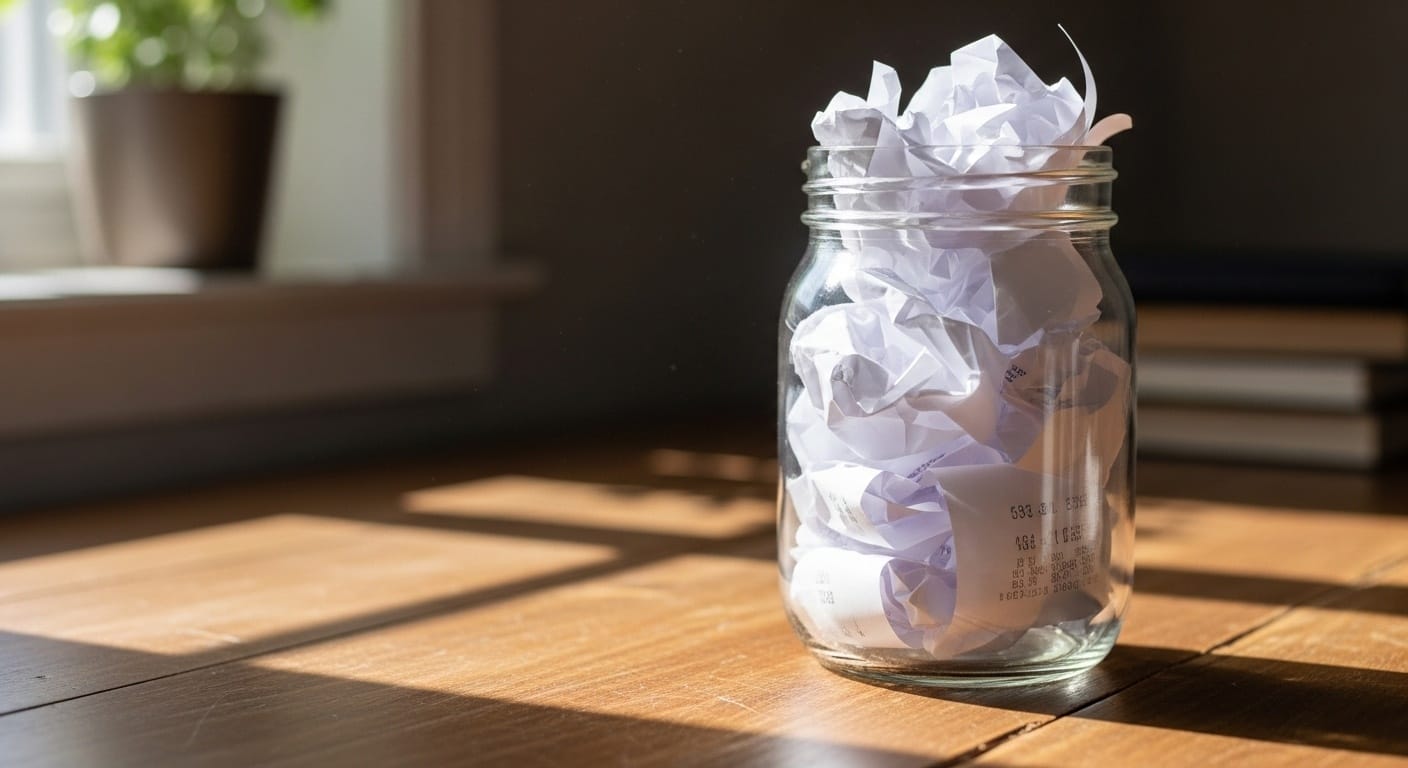
- Crumple it up, throw it in a jar
- Watch the jar fill with accomplishments
- Dopamine hit. Repeat.
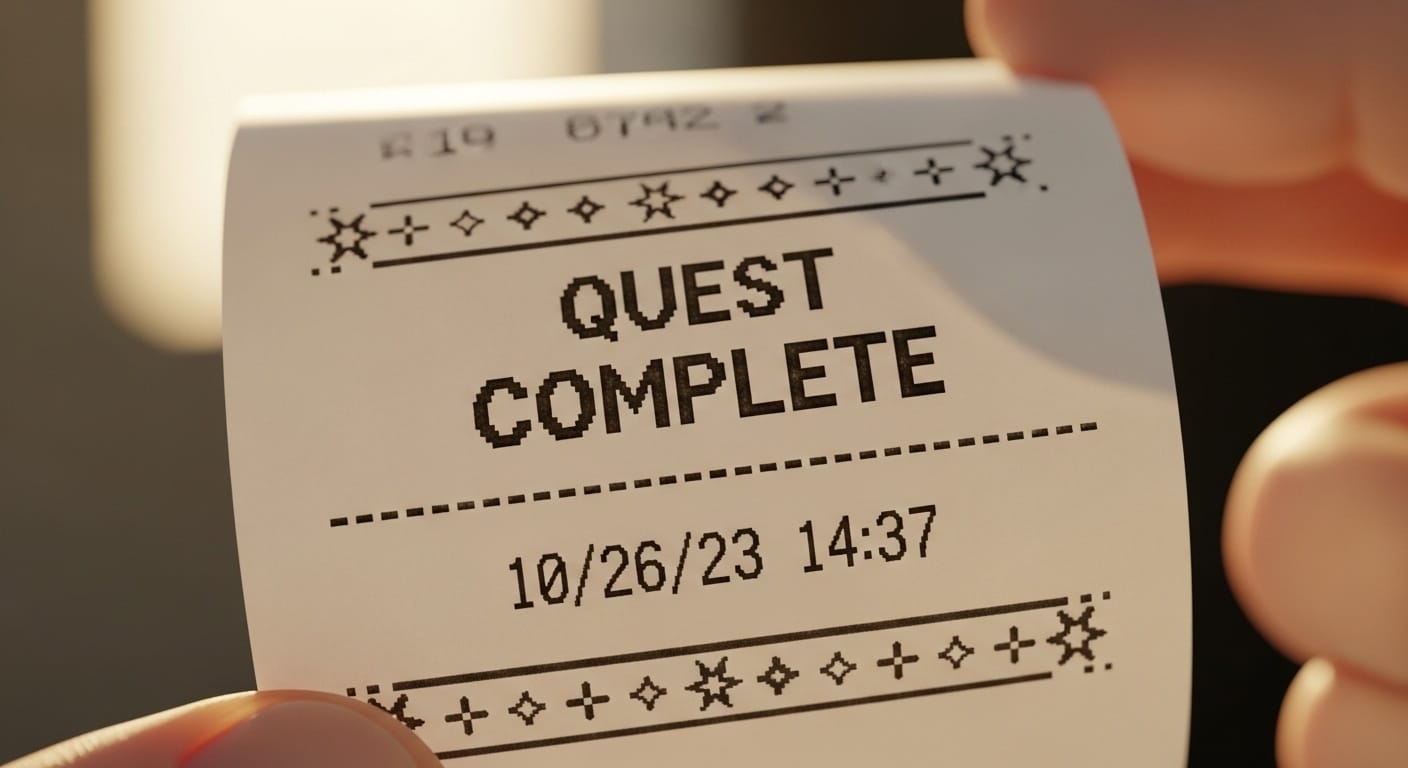
It's turning your entire life into a pizza shop. At Starbucks, drinks line up. At pizza places, tickets go on spikes. At the end of the night, you can SEE how busy it was.
Same concept, applied to your ADHD brain.
The Science (It's Real)
Dopamine Transfer Deficit: ADHD brains maintain reward value for 5-15 seconds. Neurotypical brains? 60 seconds. That's a 4-12x shorter motivation window.
A receipt that prints instantly is INSIDE that window. "You'll feel good when you finish" is outside it.
Dr. Russell Barkley, one of the most cited ADHD researchers, explicitly recommends externalization:
"Using technology for all memory tasks is misguided for ADHD in many ways. Let's go low tech. Let's go back to paper and pencil."
Paper. Not apps. Not Notion. Paper.
What I Built
The setup:
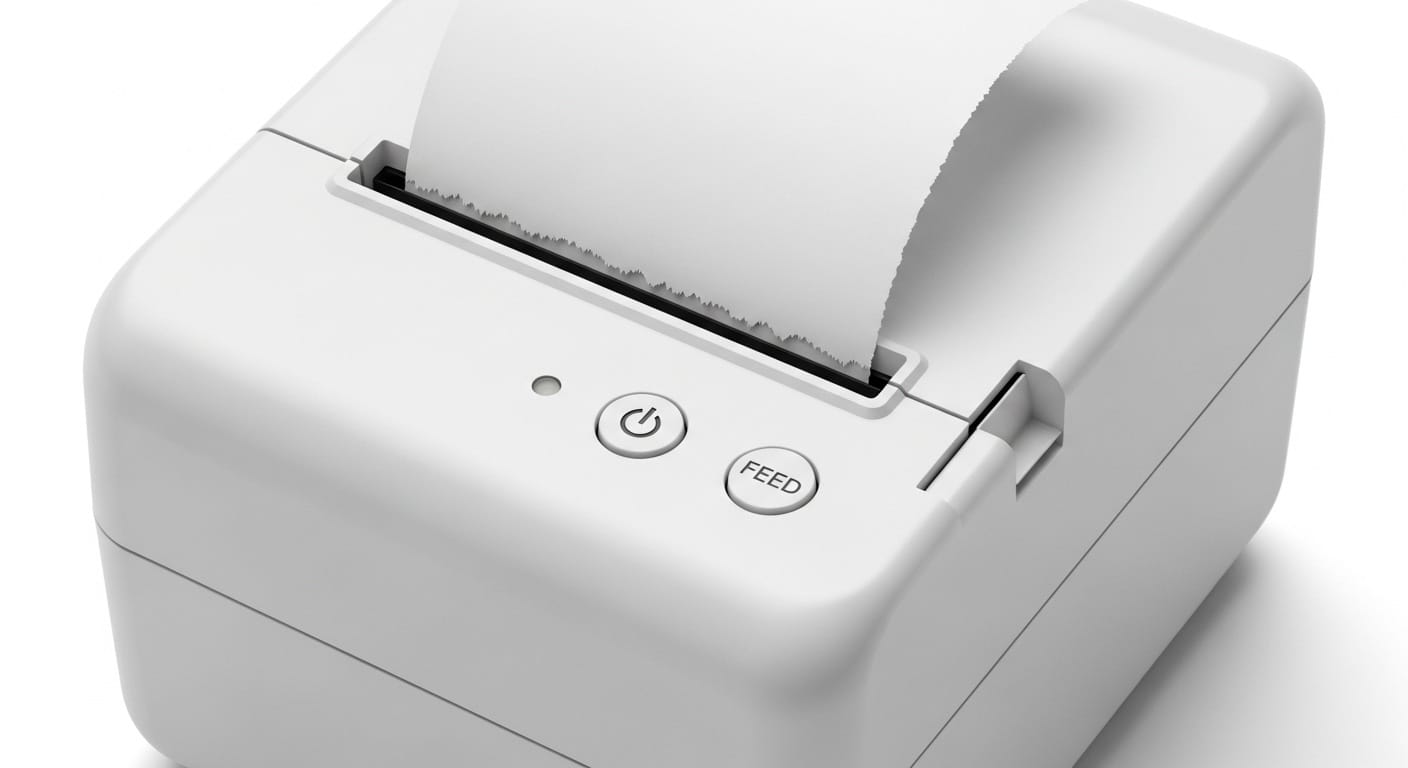
- Thermal receipt printer (~$40)
- Python script using escpos library
- Connection to my task system
- A clear jar for crumpled receipts
The features I added:
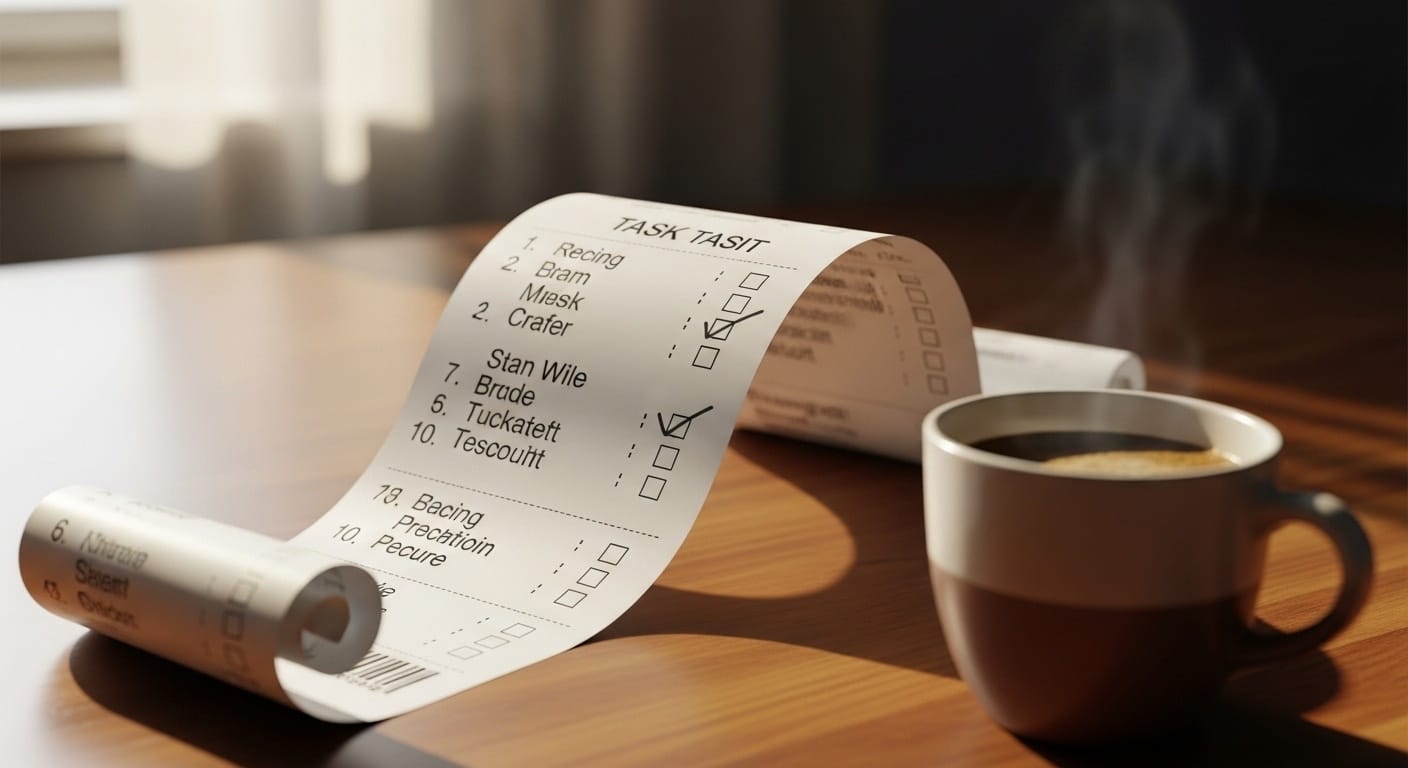
- Morning priority printout (3 tasks for the day)
- "QUEST COMPLETE" receipts for finished tasks
- Random encouragement ("YOUR ANCESTORS WOULD BE PROUD")
- Time tracking on each receipt
- Integration with a medieval quest app (because why not)
The Testing
Equipment:
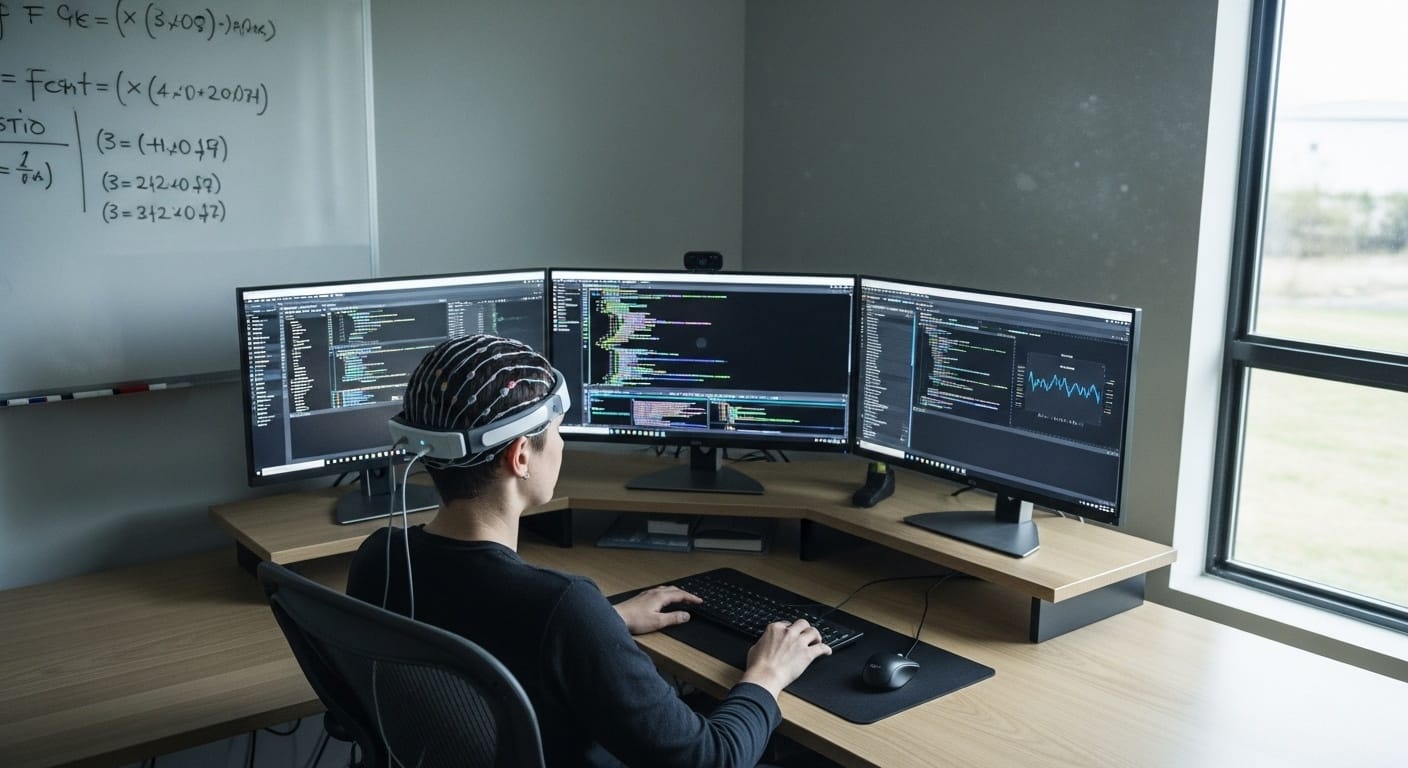
- Muse S Athena (EEG + fNIRS) — brainwave activity
- Polar H10 — heart rate variability
- ActivityWatch — actual time on task
Protocol:
- 3 days baseline (no printer)
- Day 1: Build it, test it, 2 hours work
- Day 2: Add features, 2 hours work
- Day 3: Ultimate test—3 hours of color correction (brutal)
The Results
| Metric | Baseline | Day 1 | Day 2 | Day 3 |
|---|---|---|---|---|
| Time on Task | 62% | 69% | 73% | 71% |
| App Switches/Hr | 14 | 9 | 7 | 8 |
| Focus Session Length | 12 min | 18 min | 24 min | 21 min |
| Theta/Beta Ratio | 2.4 | 2.1 | 1.9 | 2.0 |
| Subjective Focus | 5/10 | 7/10 | 8/10 | 7/10 |
| Receipts Printed | 0 | 8 | 14 | 18 |
Why This Might Work
Six Reasons This Isn't Just Placebo
- Immediate feedback — Receipt prints in under 3 seconds. Inside the dopamine window.
- Externalization — The jar remembers so you don't have to.
- Multi-sensory engagement — Sound of printer, feel of paper, act of crumpling. More neural pathways than checking a box.
- Visible progress — Combats time blindness. You can SEE time existed.
- Gamification — Variable ratio reinforcement (same psychology as slot machines).
- Behavioral ritual — Creates structure around completion.
The Placebo Question
Here's the thing about placebo: A 2008 study gave ADHD kids 50% of their medication dose with a pill they KNEW was fake. Fully transparent. "This contains no active ingredient."
It worked. Kids maintained symptom control at half the dose.
Placebo isn't about deception. It's about ritual, expectation, and behavioral change.
So is the receipt printer a placebo? Maybe. But if it changes behavior—breaks tasks smaller, creates visible progress, adds ritual to completion—and gets more done... who cares?
What I Noticed
The unexpected benefit: I started breaking tasks down smaller.
Instead of "Color correct video," I had:
- Color correct intro sequence
- Color correct interview section 1
- Color correct B-roll pack 1
More tasks = more receipts = more dopamine hits. Gaming the system? Yes. But the work still gets done.
The jar effect: Looking at a jar filling with crumpled receipts is motivating in a way that a Notion database just... isn't. I can hold the evidence that time existed.
Who Should Try This
- People who've tried every app and they all stopped working
- People who need PHYSICAL evidence of progress
- People who work from home and miss office "queue" systems
- Developers who want an excuse to write Python scripts
- Anyone who's felt more productive with paper than digital
Who Should Skip It
- Anyone expecting it to replace medication or therapy
- People who feel bad about paper waste
- Anyone who needs silence (not quiet)
- People looking for a permanent solution (novelty wears off)
The Setup If You Want to Build One
What You Need
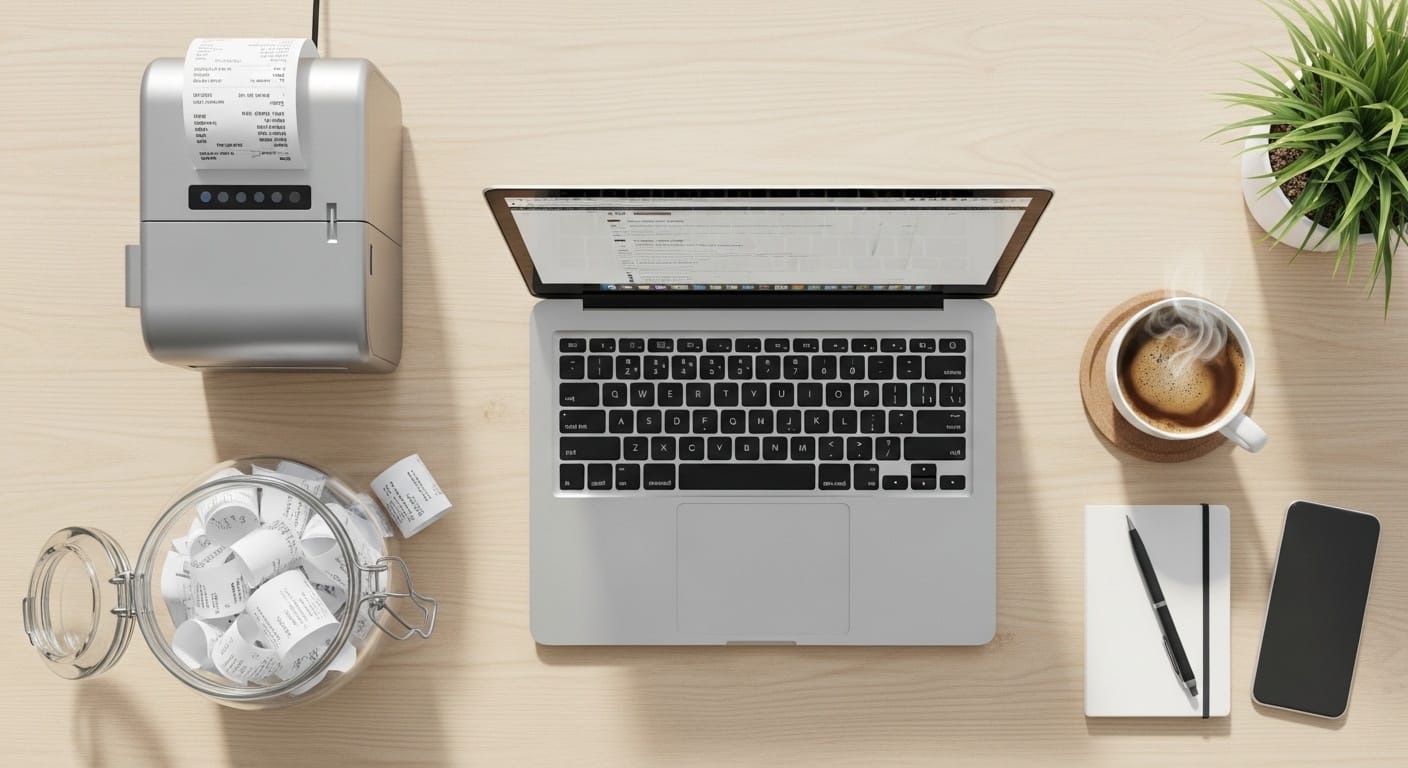
- Thermal receipt printer — ~$40 on Amazon (any ESC/POS compatible)
- Receipt paper — Standard 80mm thermal rolls
- Python + escpos library — For controlling the printer
- A clear jar — For the satisfaction of watching it fill
Links to the CodingWithLewis code and Scribe project in resources below.
Final Verdict
Stupid? Yes. Works? Also Yes.
Does a receipt printer "cure" ADHD? No. Obviously not. That's a stupid claim.
Does it help with ADHD focus? Based on my 3-day test: Yeah, maybe. A little. The mechanisms are real—immediate feedback, externalization, visible progress.
Is this going to fix executive function forever? No. Nothing will. But it's another tool. And having tools means when one stops working, you've got something else to try.
Cost: ~$40-60
Our rating: 7/10 for novelty-seeking ADHD brains
Full Data & Resources
- Data Spreadsheet (coming soon)
- Research Citations (coming soon)
- Video Version (YouTube - coming soon)
- CodingWithLewis Code (external)
- Scribe Project (external)
Disclaimer: We're not doctors, scientists, or remotely qualified for any of this. This is entertainment and personal experimentation, not medical advice.